Once the Halloween costumes are put away, Spain turns to a much older tradition. Here is what All Saints' Day means, why families fill the cemeteries with flowers, and what you can expect if you are in Málaga that weekend.
Halloween has become a big night on the Costa del Sol, especially for children. But the day that follows it means far more to most Spanish families. 1 November is the Día de Todos los Santos — All Saints' Day — a national holiday and one of the most quietly important dates in the Spanish calendar. If you live here, or plan to, it is a tradition worth understanding.
What All Saints' Day is in Spain
All Saints' Day is a Catholic feast honouring all the saints, and it is followed on 2 November by the Day of the Faithful Departed (Día de los Fieles Difuntos, often simply Día de los Difuntos). In everyday life the two blur into one idea: these are the days to remember family members who have died.
In 2026, 1 November falls on a Sunday, so Andalucía moves the public holiday to Monday 2 November. Together with Halloween on Saturday 31 October, that makes a long weekend across the region.
Why families visit the cemeteries
In the days around 1 November, families go to the cemetery together to clean and tidy the resting places of their loved ones and to leave fresh flowers. In Andalucía many graves are nichos — niches set into long white walls — so you will see relatives on stepladders polishing marble plaques, changing flowers and chatting with neighbours doing the same a few rows along.
It is not a gloomy occasion. For many families it is a gathering: grandparents, parents and children meet, share memories and often finish with a meal together. It is about keeping people present rather than mourning in silence.
Flowers and family traditions
Flower stalls spring up near cemetery gates, and florists have one of their busiest weeks of the year. Chrysanthemums are the classic choice, alongside carnations, gladioli and roses, and many families buy their arrangements days in advance.
There are sweet traditions too. Bakeries fill their windows with huesos de santo — "saints' bones", little rolls of marzipan with a sweet filling — and buñuelos de viento, light fried puffs. In many towns the smell of roasted chestnuts from street stalls is part of the season. And in theatres across Spain, Don Juan Tenorio, José Zorrilla's 19th-century play, is traditionally staged around these dates.
Halloween and Todos los Santos: two different moods
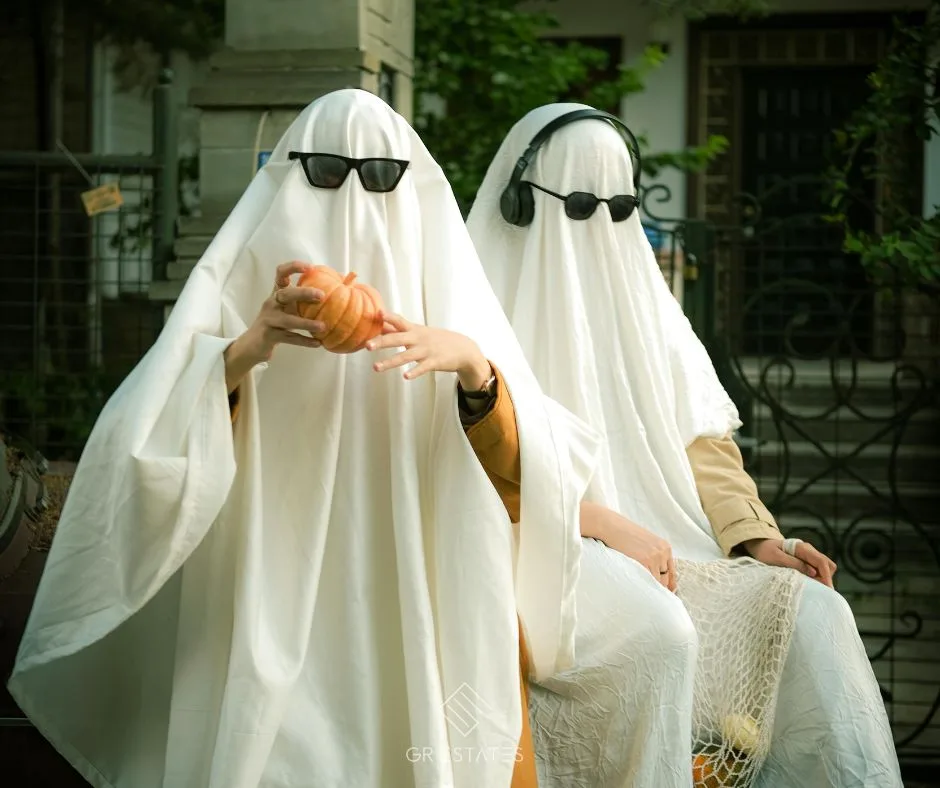
Halloween is imported, playful and aimed at children — pumpkins, costumes and haunted passages (see our guide to Halloween on the Costa del Sol). Todos los Santos is home-grown, family-centred and calm. Many Spanish families now happily do both: trick-or-treating on the Saturday night, then a quiet visit to the grandparents' grave on the holiday.
Málaga's historic cemeteries
Málaga has two cemeteries that are worth visiting for their history at any time of year — always respectfully.
The San Miguel Historic Cemetery (Plaza del Patrocinio) has around two centuries of history and is run by the municipal cemetery company Parcemasa, which organises guided visits. In recent years it has hosted concerts, Masses and Tenorio-inspired theatrical visits around All Saints', and Málaga's city cemeteries have extended their opening hours in the week before the holiday. The 2026 programme is usually confirmed in the last days of October, so check Parcemasa's website for times.
The English Cemetery (Avenida de Pries) opened in 1831 and is considered the oldest Protestant cemetery in mainland Spain. It was created by the British consul William Mark at a time when non-Catholics could not be buried in Spanish cemeteries. Writers Gerald Brenan and Gamel Woolsey and the poet Jorge Guillén are buried among its gardens. There is a small entry fee; check opening times before you go.
What a visitor can expect that weekend
- Busier roads near cemeteries in the days before and on the holiday itself, and extra buses on some city routes.
- Shops: Sunday is already quiet, and on the Monday holiday many shops and offices close. Restaurants and cafés stay open and fill up with families, so book lunch.
- Respect: cemeteries are working places of remembrance. Dress modestly, keep your voice down and never photograph families at a grave.
- A calmer Málaga: with the summer crowds long gone, the old town, the markets and the seafront feel local and relaxed — a lovely time to explore at your own pace.
A tradition worth understanding
Living in Spain is about more than sunshine and beaches. Understanding days like Todos los Santos — why your neighbour is buying chrysanthemums, why the bakery is full of marzipan — is part of feeling at home here, something we wrote about in the little things that make the Costa del Sol feel like home.
If you would like to experience this gentler side of the coast for yourself, browse our holiday rentals — autumn is one of our favourite times of year, and we are always happy to share a few local tips once you arrive.
The GR Estates Team
The best experiences on the Costa del Sol
Written with AI assistance and reviewed by the GR Estates team before publication. AI transparency