From the buzz of La Malagueta to the fishing-quarter calm of El Palo, here is every beach worth knowing along Málaga city's coastline.
Málaga is one of the few big cities in Europe where you can spend the morning in a Picasso museum and the afternoon with your toes in the Mediterranean. The city strings together roughly fifteen kilometres of coastline, nearly all of it linked by a walkable seafront promenade, and each beach has its own character. Here is our local run-through, west to east.
La Malagueta & La Caleta — the city-centre beaches
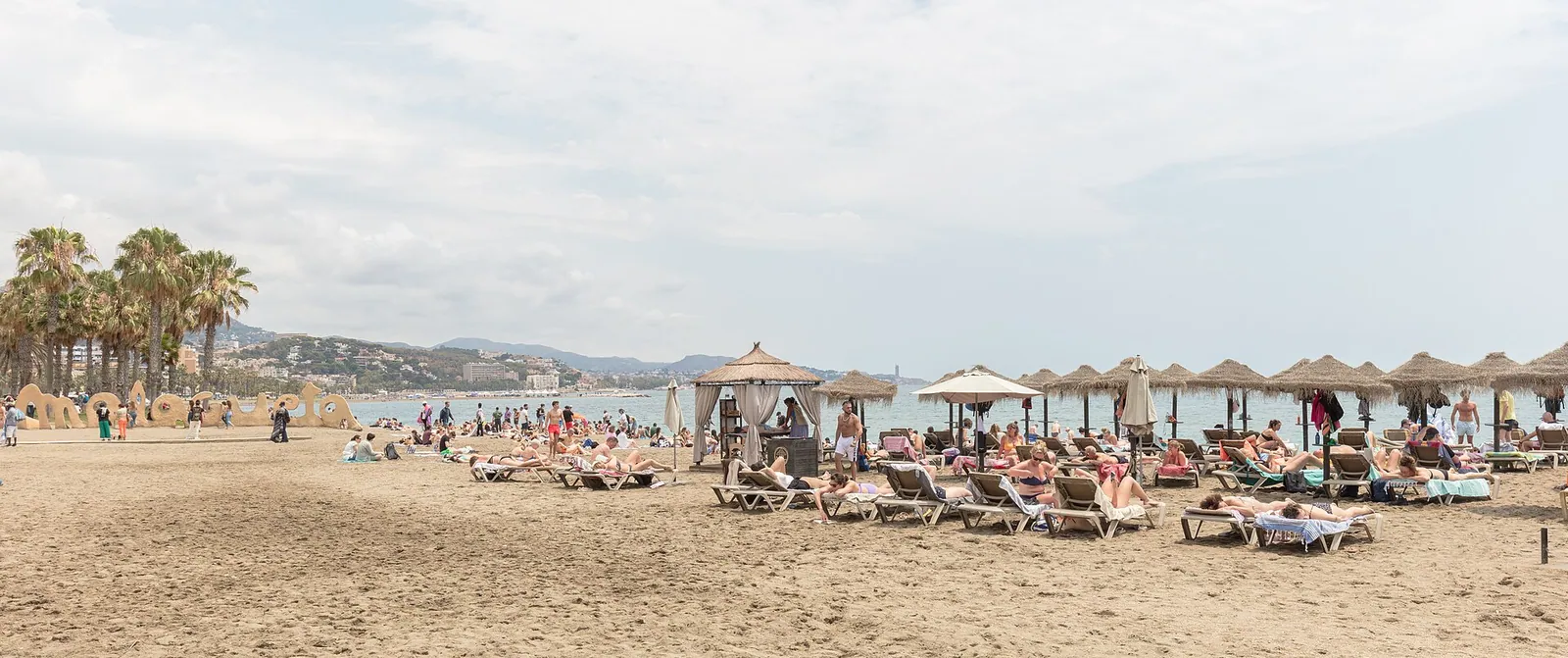
If you only have time for one, make it La Malagueta. It sits a ten-minute stroll from the cathedral and the port, with dark golden sand, showers, sunbeds for hire and a long line of restaurants behind it. Its neighbour La Caleta is a touch calmer and just as central. Both are perfect if you want the beach and the old town in the same afternoon.
Pedregalejo & El Palo — the old fishing quarters
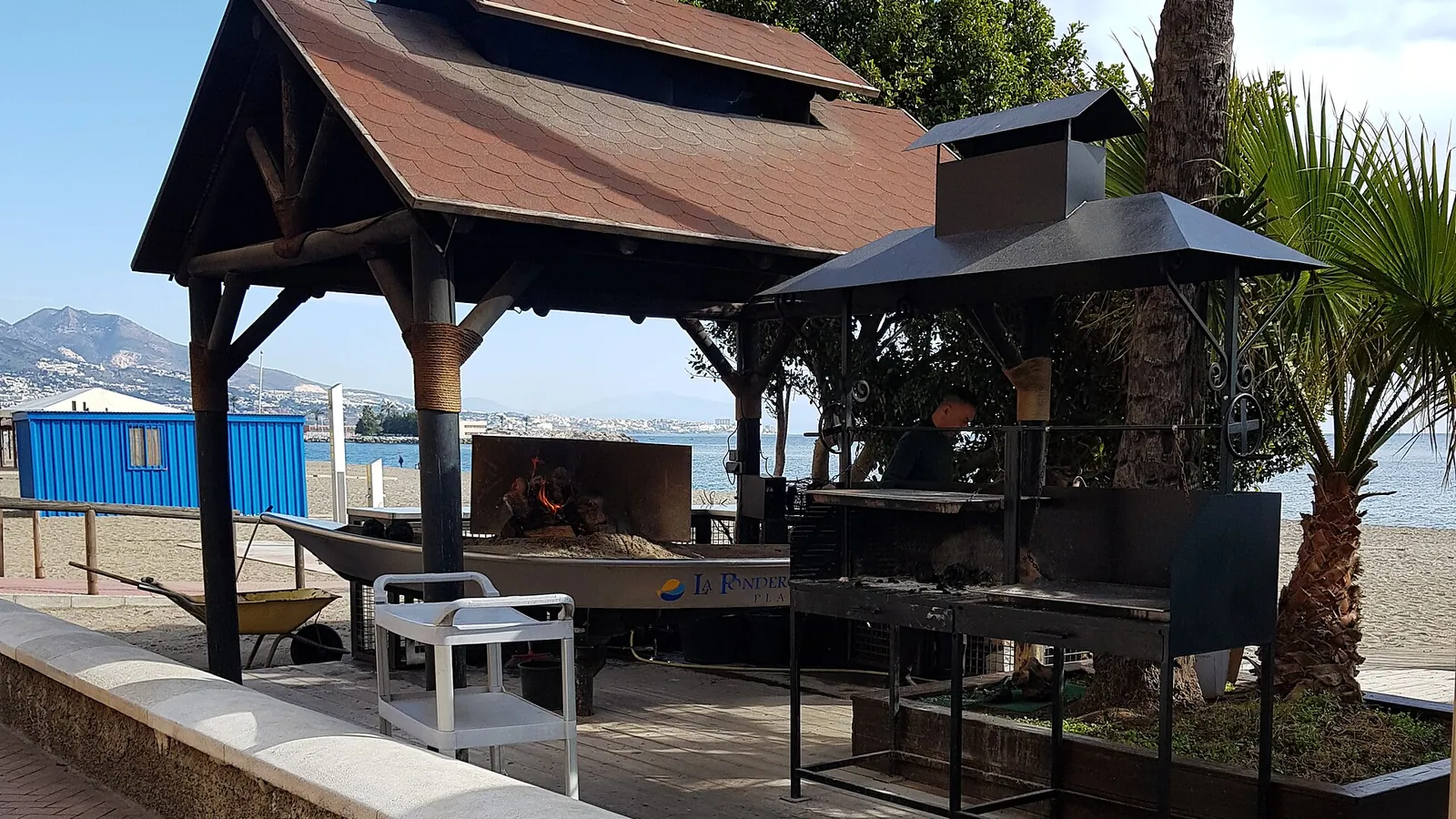
Head east and the city softens into two former fishing villages that have kept their soul. Pedregalejo has a pretty pedestrian promenade lined with chiringuitos — the beach bars where you will find Málaga's signature espetos de sardinas, sardines skewered on a cane and grilled over an open fire in a beached wooden boat. El Palo, a little further on, is even more local and low-key. This is where we send anyone who wants the real, unhurried Málaga.
Baños del Carmen — the nostalgic one
Between the centre and Pedregalejo, Baños del Carmen is a beloved old bathing spot with a faded early-1900s pavilion, huge eucalyptus trees and a terrace that catches the sunset. The swimming is rockier here, but for atmosphere and a late-afternoon drink it is hard to beat.
To the west: La Misericordia, San Andrés & Guadalmar
West of the port the beaches feel more residential and less touristy. San Andrés and La Misericordia are wide, easy-going stretches popular with local families. Keep going and you reach Guadalmar, a quieter, more secluded spot near the river mouth and the natural area — a good pick when the central beaches are busy in August.
Peñón del Cuervo — wild and rocky to the east
At the far eastern edge of the city, Peñón del Cuervo is different again: a rugged cove split by a distinctive rock, backed by open ground rather than apartment blocks. Families barbecue here at weekends and it feels a world away from La Malagueta, despite being minutes from town.
Beyond the city
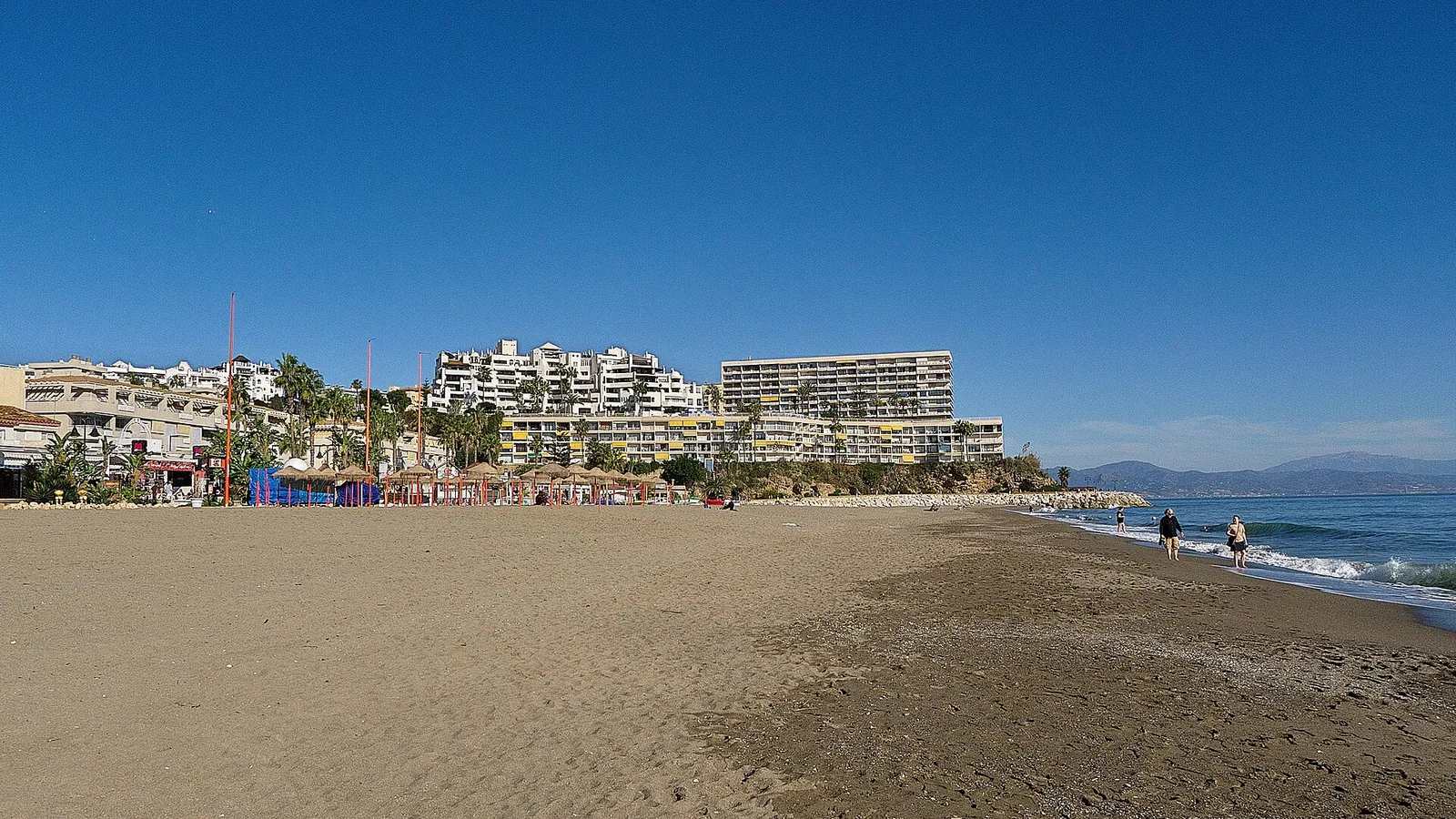
The city beaches are only the start. Follow the coast south-west and you reach the wider Costa del Sol — Fuengirola with its four-kilometre promenade, Mijas, Benalmádena and Marbella — where the beaches are broader and the resort life is in full swing. If a beach holiday is what you are really after, that stretch is where many of our guests choose to base themselves; our guide to the best beach bars in Fuengirola is a good place to start.
Making a day of it
A few local tips. The seafront promenade links most of the city beaches, so you can walk or cycle between them. The Cercanías train runs west to Fuengirola if you fancy a change of scene. Mornings and late afternoons are the sweet spot in high summer, and any chiringuito along the way will happily feed you espetos and pescaíto frito with your feet in the sand.
Wherever you decide to unroll your towel, Málaga makes it easy. And if you are planning a longer stay on this coast, we would love to help you find a comfortable base within easy reach of the sea — browse our holiday rentals in Fuengirola and Mijas and we will take care of the rest.
The GR Estates Team
The best experiences on the Costa del Sol
Written with AI assistance and reviewed by the GR Estates team before publication. AI transparency