2026 has been a year of rising values, calmer sales and record investment in Málaga. Here is what the data actually shows, which areas are moving fastest, and how to think about 2027 — with known figures and forecasts kept clearly apart.
If you have been watching the Costa del Sol from abroad this year, you will have seen two headlines that seem to pull in opposite directions: values keep climbing, yet fewer homes are changing hands. Both are true, and together they tell you a lot about where the market stands as 2026 draws to a close. We have gathered the most reliable figures published so far and separated what we know from what is forecast.
Values: still rising, at a steadier pace
According to idealista's monthly report, the average asking price across Málaga province reached €4,317 per m² in September 2026, up 6.6% on a year earlier. In the city of Málaga it stood at €3,969 per m², up 4.1% — a noticeably calmer pace than at the start of the year, when the city's annual rise was running at 12.5%, as El Español reported.
For buyers, that slowdown in the rate of growth is good news: it points to a more balanced, less frantic market in which there is time to compare, negotiate and choose well — while owners continue to see their homes gain value.
Which areas are showing the most momentum
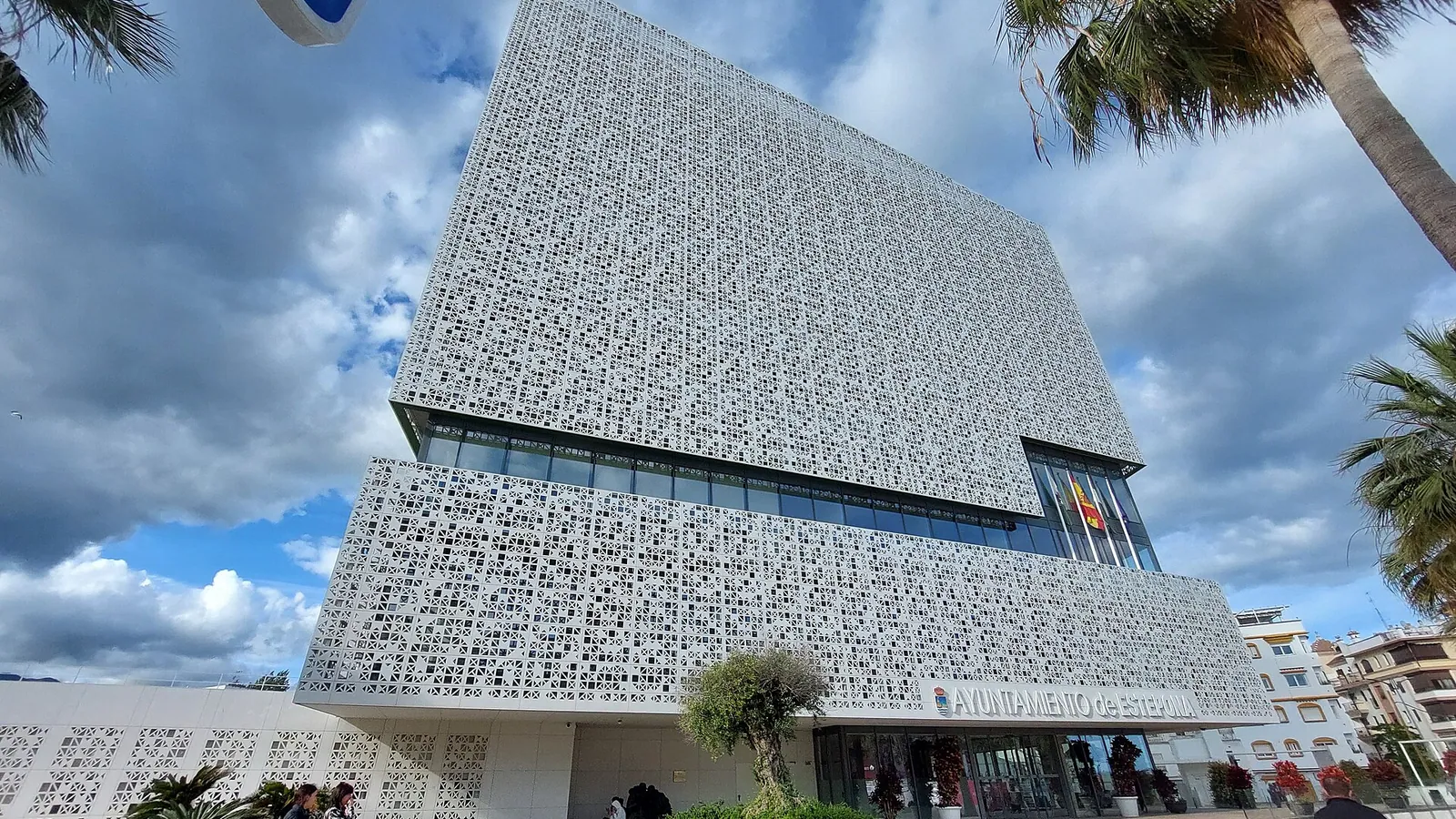
The most dynamic growth in 2026 has not been in the best-known postcodes. Over the twelve months to September, idealista recorded strong increases in Estepona (+17.1%), Rincón de la Victoria (+15.8%), Mijas (+8.5%) and Torremolinos (+7.1%), with the Axarquía and inland towns such as Vélez-Málaga (+26.2%) rising fastest of all from a much lower starting point. Established markets such as Marbella (+3.2%) and Fuengirola (+1.1%) grew more gently.
The pattern is clear: demand is spreading out along the coast and inland, towards places that still offer more space for the money. If you are flexible on location, that is where the opportunity lies — have a look at what is available in Mijas or Estepona.
Sales: a normalisation after record years
Transactions have cooled. In the first quarter, the province recorded 8,837 home sales, 9.3% fewer than a year earlier, according to El Debate — but that comparison is against an exceptionally strong start to 2025, when sales had jumped by more than 20%. Portals describe it as a normalisation after five record years rather than a change of direction.
International demand: still the engine
Nationally, notary data for the first half of 2026 show foreign purchases down 13% to 62,327, with foreigners accounting for 18.3% of all home sales (idealista/news). Among non-resident buyers, the Dutch, Germans, British and Poles lead.
Interest in the Costa del Sol itself remains very strong. Málaga Airport handled 22.1 million passengers between January and September, 6.6% more than in 2025 (Aena). And professional investors are doubling down: CBRE recorded €418 million of property investment in Málaga in the first half of 2026, against €132 million a year earlier — the best first half on record, led by hotels and residential "living" assets (CBRE). We look at why buyers keep choosing this coast in what makes the Costa del Sol so popular with international buyers.
Supply, new-builds and resale homes
Supply is the market's main pressure point. Savills' latest Visión Málaga report counts almost 30,000 homes planned in the city's main development areas over the next decade, but estimates that only around 10% of that land will be built on in the next five years, held back by planning, construction costs, labour and power-grid capacity (idealista/news).
New-build sales held up better than resales in the first quarter (−6% against −11%). Well-located new developments remain scarce, which is why buyers who want one often reserve off-plan — see our guide to buying off-plan on the Costa del Sol or browse current new developments. Resale homes, meanwhile, offer immediate availability and established neighbourhoods.
The factors shaping the market
- Interest rates: the 12-month Euribor averaged 3.247% in September 2026, against 2.172% a year earlier, so mortgages cost more than in 2025. The ECB's next decision is due on 29 October.
- Construction: costs, permits and grid connections are slowing new supply.
- Population and jobs: Málaga continues to attract companies, talent and new residents.
- Tourism and connectivity: record air traffic keeps the coast in front of millions of potential buyers every year.
2027: forecasts, not facts
Nobody can promise what next year holds, so treat every figure below as a scenario. BBVA Research, in its July 2026 outlook for Spain, expects house prices to rise around 12% in 2026 and 5.7% in 2027, with sales falling 7.3% this year and broadly stabilising (+0.6%) in 2027, as the gap between new households and new homes keeps widening (report coverage).
Translated to the Costa del Sol, the most commonly discussed scenario is continued but more moderate growth, with demand spreading to emerging towns and new-builds staying in short supply. The key variables to watch are interest rates and the pace at which new homes reach the market.
What it means for you
For buyers, 2027 looks like a year to plan carefully rather than rush: calmer sales mean more room to choose, while limited supply supports long-term value. For owners, demand remains deep and international.
If you would like to talk through your plans, browse our properties for sale or get in touch — we are always happy to share what we are seeing on the ground, area by area.
The GR Estates Team
The best experiences on the Costa del Sol
Written with AI assistance and reviewed by the GR Estates team before publication. AI transparency