More families and remote workers from Poland, Romania, the Baltics and beyond are choosing the Costa del Sol. Here is how a move to Málaga actually works.
We meet more and more buyers who have swapped grey winters in Central and Eastern Europe for the light of the Costa del Sol. Some come to retire, some to raise children by the sea, and a growing number to work remotely from a place with more than three hundred days of sunshine a year. If you are weighing up the same move, here is a clear, practical look at how it works — and where people tend to settle.
Why Málaga
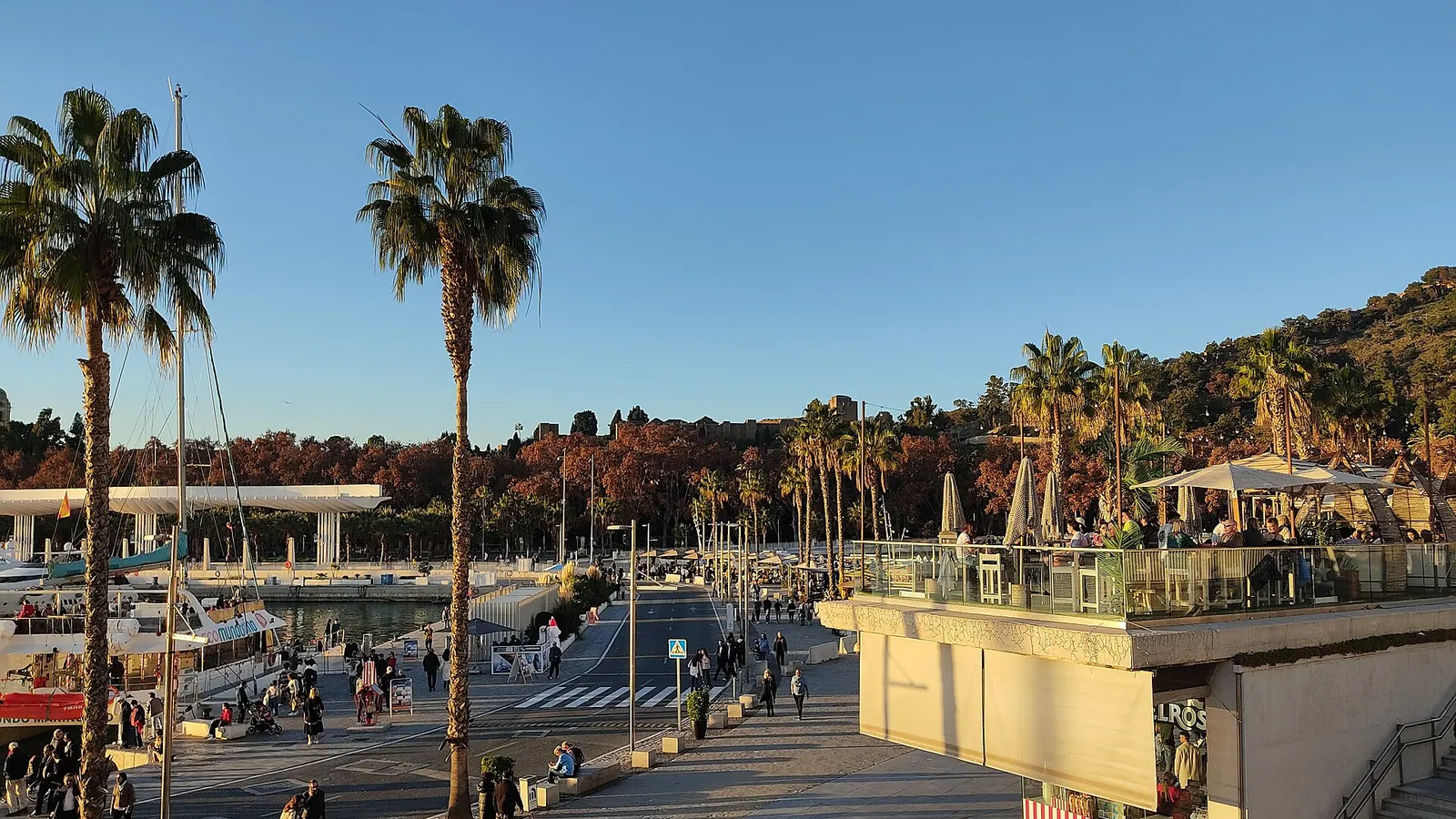
Beyond the climate, Málaga has quietly become one of southern Europe's most liveable cities: a modern airport with direct flights to Warsaw, Kraków, Bucharest and much of the region, good international schools, a strong healthcare system and a relaxed, safe day-to-day life. The coast around it — Fuengirola, Mijas, Benalmádena, Marbella, Estepona — offers everything from lively promenades to quiet hillside villages, usually within half an hour of the airport.
If you are an EU citizen
For citizens of EU countries — Poland, the Baltics, Czechia, Slovakia, Hungary, Romania, Bulgaria, Croatia, Slovenia and the rest — the move is refreshingly simple. Freedom of movement means you do not need a visa. To settle you register as a resident, obtain your NIE (more on that below) and, after registering, receive your green residency certificate or card. You can live, work and buy property much as you would at home.
If you are from outside the EU
If you hold a non-EU passport — Ukraine, Serbia, Moldova and others — you will need a visa to live here long term. The two most common routes today are the Digital Nomad Visa, aimed at remote workers and freelancers earning from outside Spain, and the Non-Lucrative Visa, for those who can support themselves from savings or passive income. It is worth noting that Spain closed its old "golden visa" residency-by-property-investment scheme in April 2025, so buying a home is no longer a route to residency in itself. A good immigration lawyer will point you to the right path for your situation.
The NIE — your first step
Whatever your nationality, almost everything official in Spain runs on the NIE (Número de Identidad de Extranjero), your foreigner's identification number. You need it to buy a property, open a bank account, sign utility contracts and start a job. It is straightforward to obtain, and we can point you to trusted local lawyers and gestores who handle it for clients every week.
Buying a home: how it works
The Spanish purchase process is well-trodden and, with the right help, smooth:
- You find the property and agree a price, then pay a small reservation fee to take it off the market.
- Your lawyer runs the legal checks while you sign a private purchase contract and pay a deposit, usually around ten per cent.
- Completion happens before a notary, where the balance is paid and the keys change hands.
Budget for buying costs on top of the price — transfer tax or VAT, notary and registry fees, and legal fees. We always recommend an independent Spanish lawyer who represents only you.
What life is really like
Newcomers are often surprised by how much the region offers for the money: fresh markets, a superb dining scene from espetos on the beach to fine dining, excellent public and private healthcare, and outdoor living for most of the year. Many families who arrive planning a two-year trial quietly decide to stay.
Where people settle
Most of our Eastern European buyers gravitate to a few areas: family-friendly Fuengirola and Mijas, well-connected Benalmádena, and, for those wanting more space or a newer build, Marbella and Estepona. If a brand-new home appeals, it is worth looking at the coast's new developments too.
Every move is different, and nothing here is legal or tax advice — for that you will want a Spanish lawyer and a gestor. But when you are ready to explore what your budget buys on this coast, browse our properties for sale or simply get in touch. We have helped many families make exactly this move, and we would be glad to help with yours.
The GR Estates Team
The best experiences on the Costa del Sol
Written with AI assistance and reviewed by the GR Estates team before publication. AI transparency