Why Estepona?
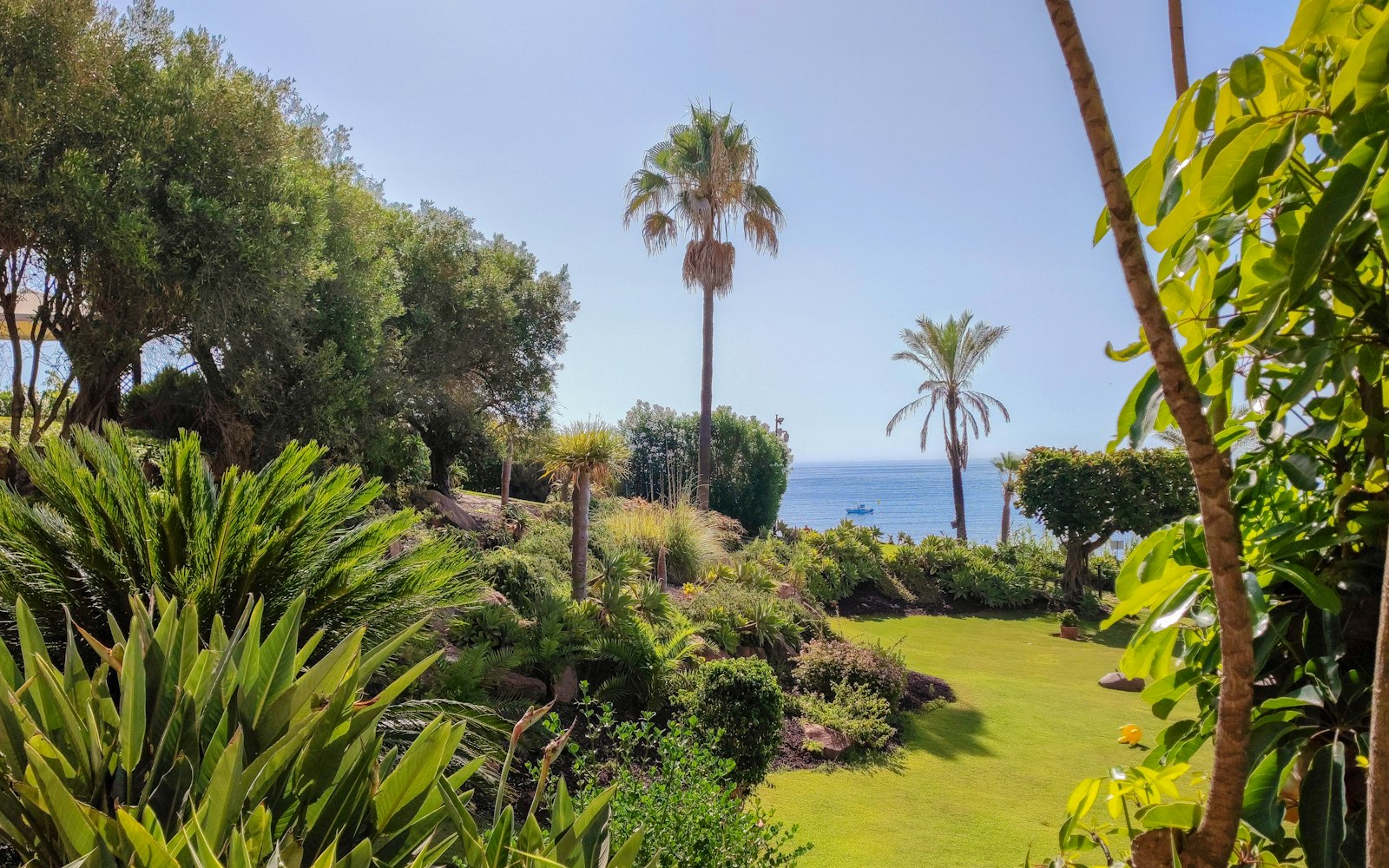
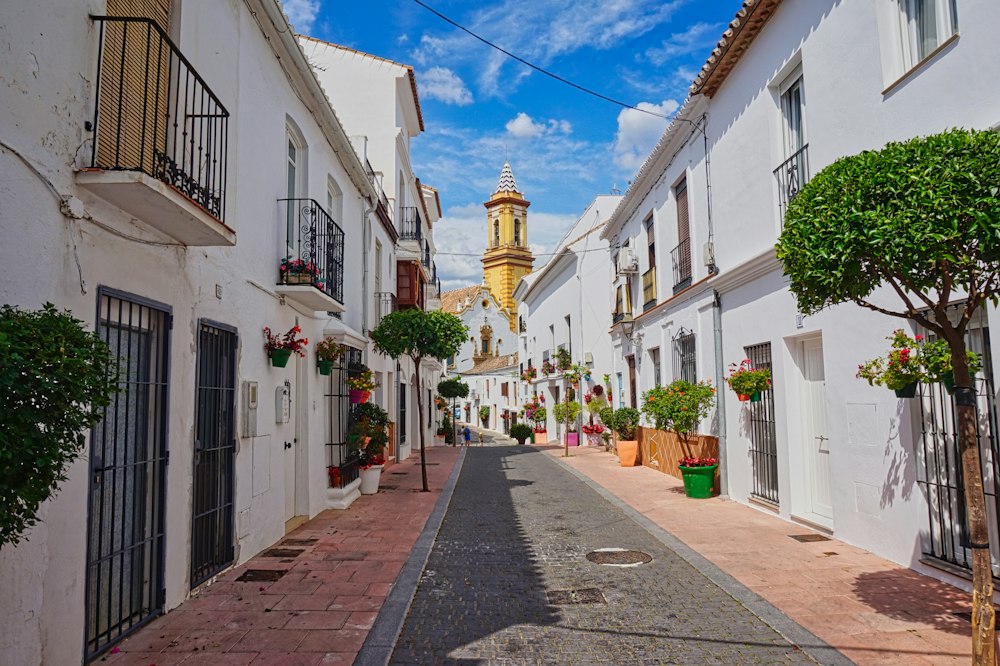
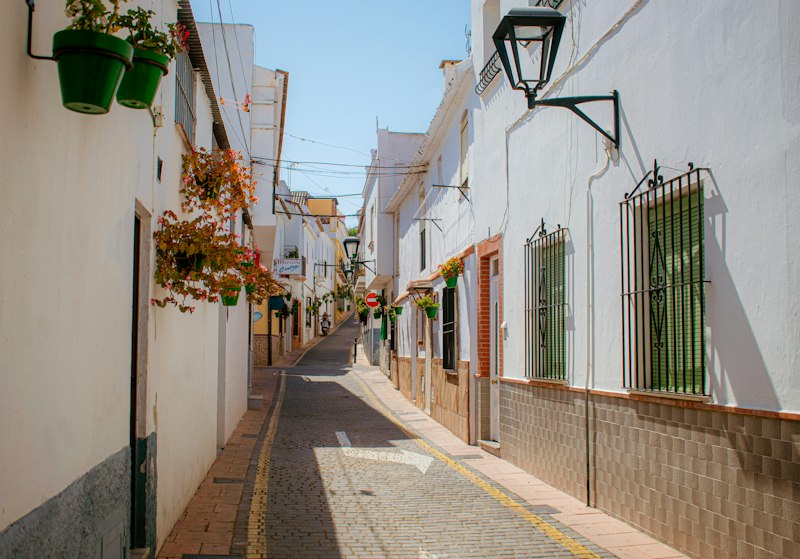
Since 1996, GR Estates has been a benchmark in Costa del Sol real estate, helping locals and international buyers find their dream home. But our passion for the coast runs deeper than property — we want to be your guide to everything Estepona offers. Nicknamed the Garden of the Costa del Sol, Estepona has quietly become one of the most charming towns on the coast: a whitewashed old quarter kept bursting with potted flowers, an ever-growing open-air mural route, more than 21 km of beaches and a warm Andalusian soul that its glossier neighbours have partly traded away.
Whether you're here for a week of sun, a long winter escape or to put down roots, this guide walks you through the sights, the beaches, the neighbourhoods, where to eat, how to get around, when to come — and what daily life really looks like.
> Whitewashed streets, flowers on every corner, and the sea at the end of them.
What to see & do in Estepona
- Casco Antiguo & Plaza de las Flores. maps The whitewashed old town, kept immaculate and dripping with flower pots, centres on the palm-shaded Plaza de las Flores — the prettiest square on this stretch of coast.
- Ruta de Murales. maps More than 60 huge murals painted across the gable ends of the town turn a simple walk into an open-air art gallery — a free, self-guided highlight.
- Orquidario. maps One of Europe's largest orchid houses — a soaring glass dome with waterfalls and thousands of tropical plants, right in the old town.
- Puerto Deportivo & Paseo Marítimo. maps A working marina and fishing port ringed with restaurants, and a long seafront promenade that links the beaches — the heart of Estepona's outdoor life.
- Selwo Aventura. maps A large safari-style wildlife park in the hills above town, with free-roaming animals and zip-lines — one of the best family days out west of Marbella.
History & cultural tourism
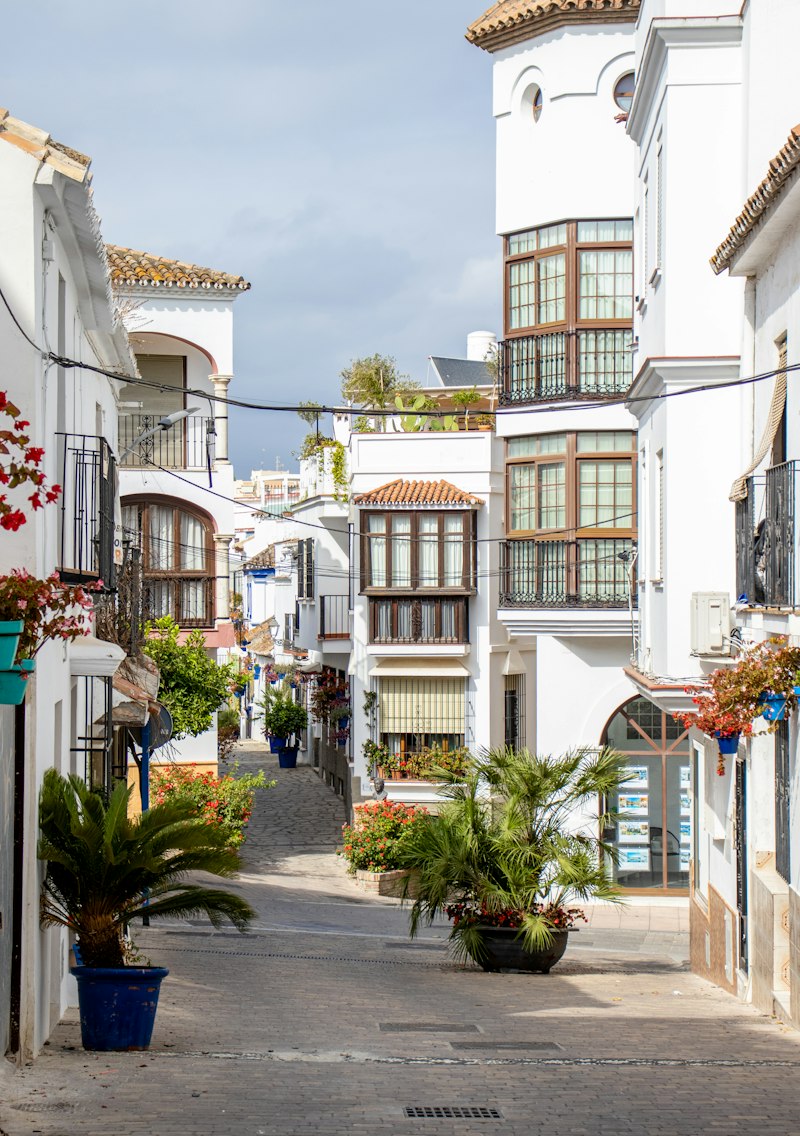
Estepona's roots run from Roman Salduba through its Moorish castle to a fishing town that never quite lost its character — and it sits within easy reach of some of the greatest monuments in Andalusia. It's a fine base for culture: the old town in the morning, a World Heritage Site in the afternoon.
- In town. The Castillo de San Luis, the Torre del Reloj, the churches of the old quarter and the archaeological and bullfighting museums tell Estepona's own long story.
- Málaga (~50 min). The Moorish Alcazaba and Gibralfaro castle, the Renaissance cathedral, a Roman theatre and the Picasso Museum — a full day of history in the capital.
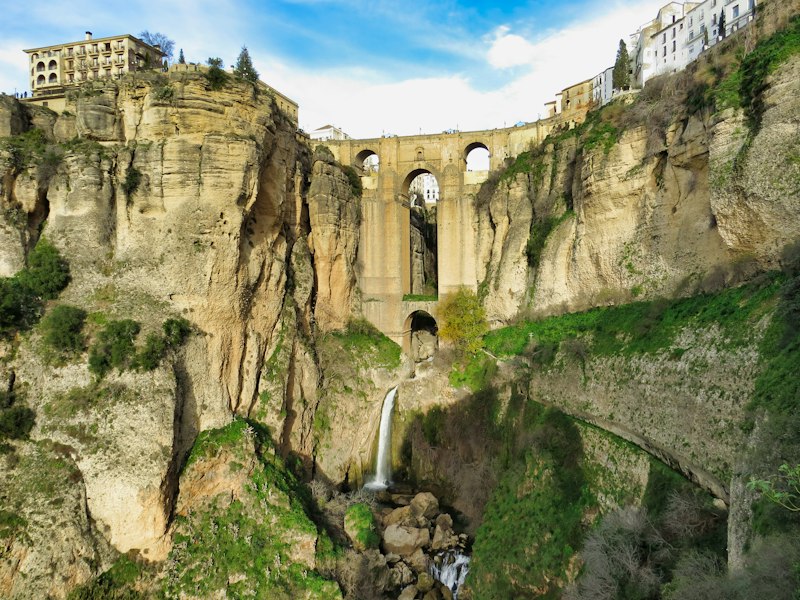
- Ronda (~50 min). Estepona's own mountain road climbs to the Puente Nuevo over the El Tajo gorge and one of Spain's oldest bullrings, in a town perched on a cliff.
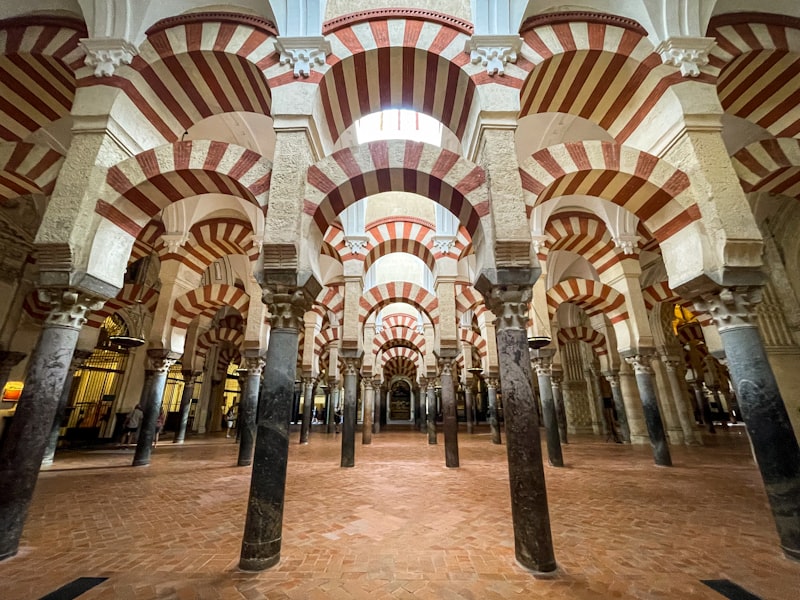
- Córdoba (~2 h 30). The Mezquita-Catedral, a breathtaking forest of arches and one of the world's great buildings — a UNESCO World Heritage Site.
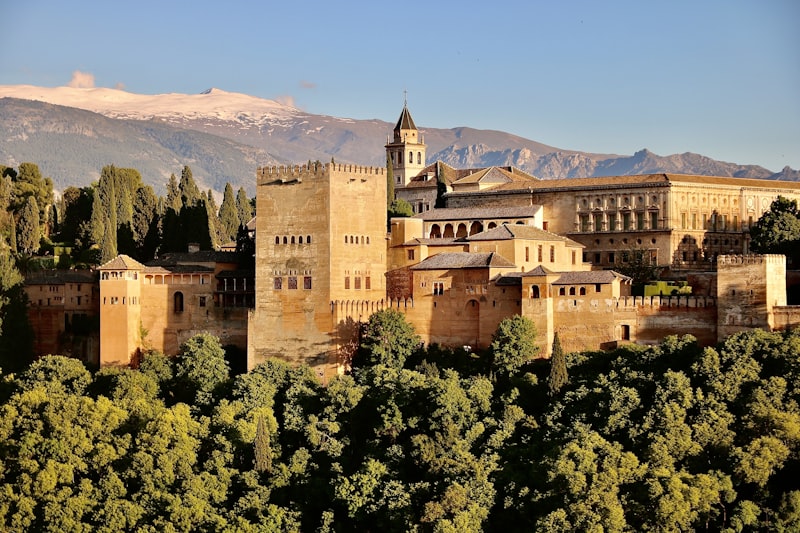
- Granada (~2 h). The Alhambra and Generalife — the crowning jewel of Moorish Spain.
The beaches of Estepona
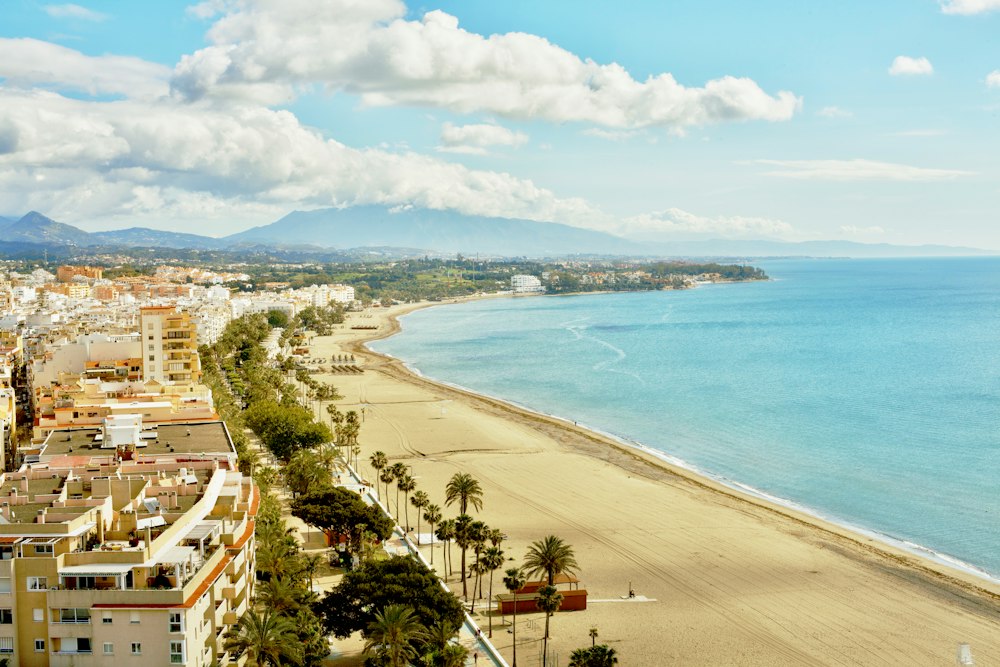
Estepona's coastline runs for more than 21 km — from busy town beaches backed by the promenade to quieter coves and long open stretches to the west. Most hold quality flags and are well served with chiringuitos and sun-loungers.
- Playa de la Rada. maps The long, central town beach running right along the promenade — the easy, all-services option.
- Playa del Cristo. maps A sheltered, shallow bay by the port — calm water and a favourite with families.
- Playa del Padrón. maps A wide, open beach east of town known for its beach clubs and some of the best chiringuitos on the coast.
- Playa de Guadalmansa. maps A long, relaxed stretch on the New Golden Mile, backed by dunes and villas.
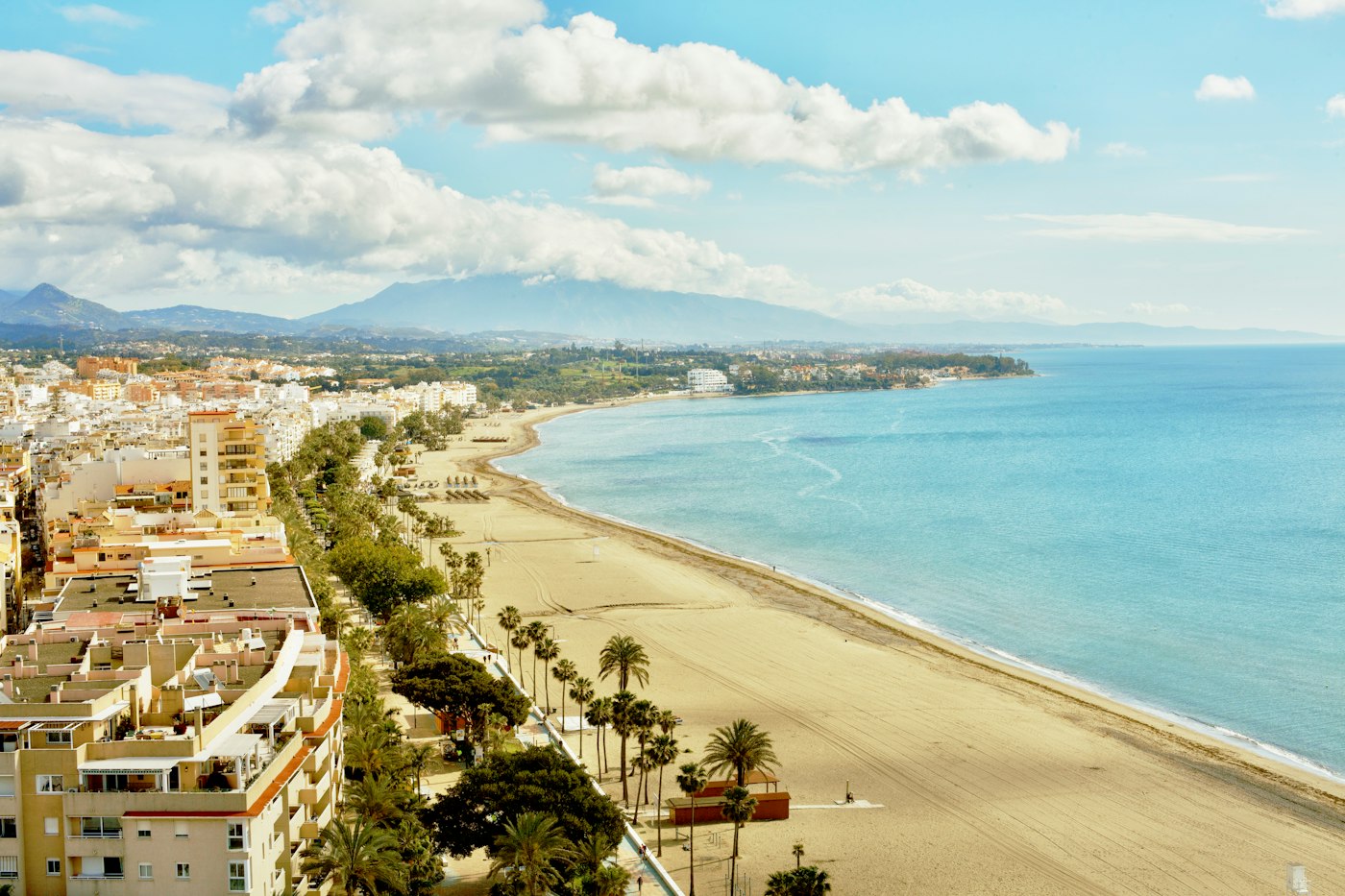
Estepona's bay — more than 21 km of coastline backed by promenade and mountains.
Neighbourhoods & areas
Estepona spreads from a compact old town to a long ribbon of coastal urbanisations — useful whether you're choosing where to base a holiday or where to look for a home.
- Casco Antiguo. The walkable, all-year heart — flower-lined streets, plazas, shops and the town's real Andalusian character.
- Puerto & Centro. Around the marina and seafront — restaurants, the fish market and easy beach living.
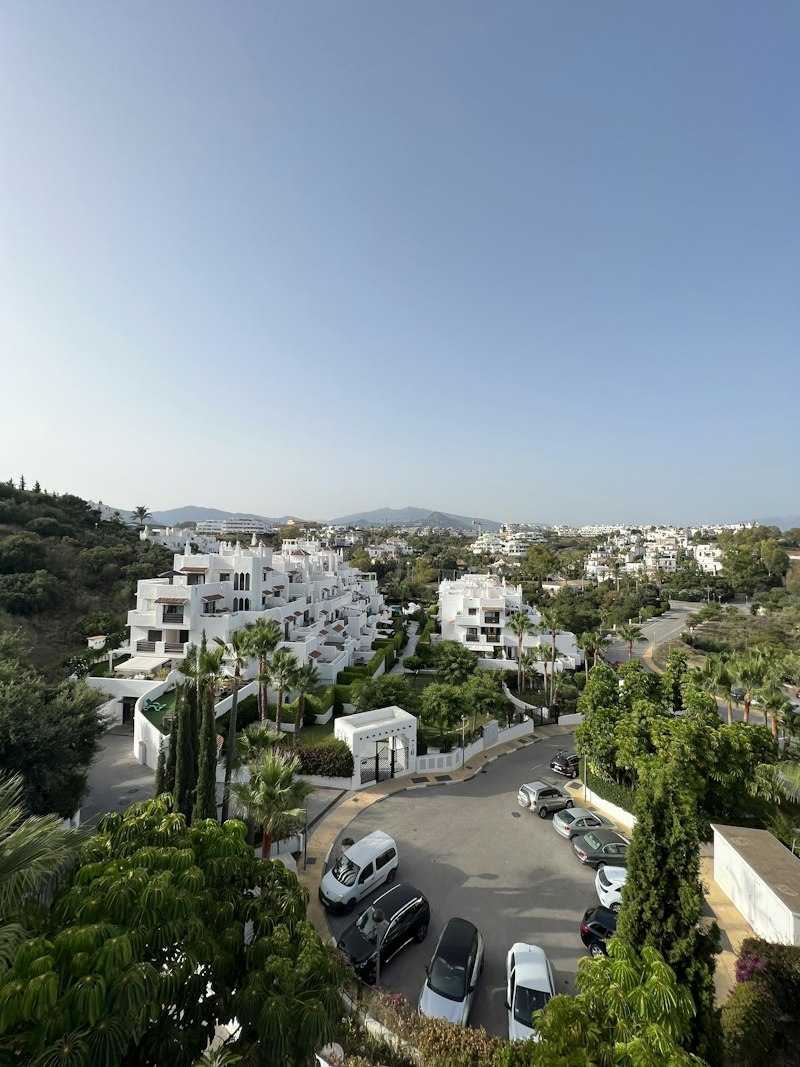
- New Golden Mile (east). The corridor towards Marbella — El Paraíso, Atalaya, Cancelada and Selwo — golf, beach clubs and modern developments.
- Valle Romano & Bahía Dorada. Golf-side and beachside urbanisations with sea views to the west of town.
- Costa Galera & Costa Natura. Quieter western pockets by the sea, including Spain's first naturist resort.
- Sabinillas & Manilva (nearby). Down-to-earth, good-value coastal towns just west, with beaches and the Roman baths of La Hedionda.
Where to eat in Estepona
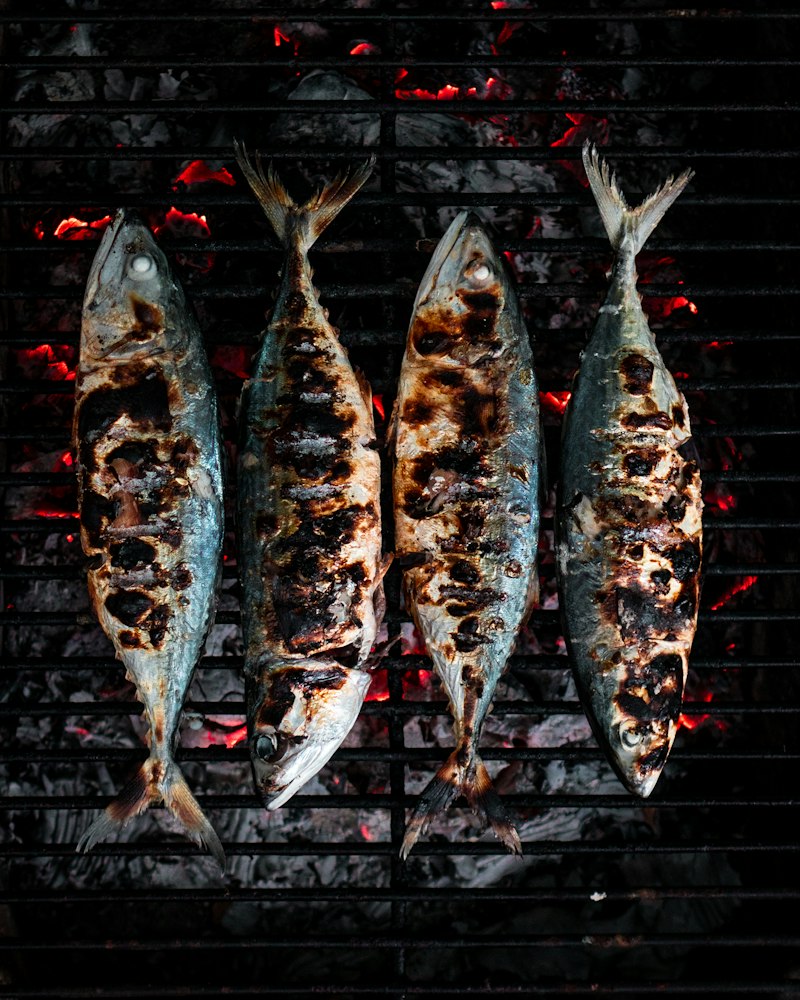
Estepona eats well and honestly — old-town tapas bars, the fishing port's seafood and a growing crop of stylish beach clubs. Don't leave without an espeto de sardinas grilled over driftwood on the beach.
- La Escollera. A classic by the fishing port for pristine, no-frills local seafood straight off the boats.
- Casa Rafael. A well-loved old-town restaurant for traditional Andalusian cooking done properly.
- Restaurante Alcaría de Ramos. A long-standing local institution known for warm service and generous, classic plates.
- Beach clubs at Playa del Padrón. Laylow, Purabeach and neighbours — sun-loungers, cocktails and long lunches by the water.
- Plaza de las Flores terraces. Coffee, tapas and people-watching under the palms in the prettiest square in town.
Cuisine & wine
Málaga's kitchen is the Mediterranean at its purest — sea, garden and olive oil. Eating out here is half the holiday, so here's what to order:
- Espeto de sardinas. Sardines skewered on a cane and grilled over driftwood embers on the beach — the signature dish of the Costa del Sol.
- Pescaíto frito & fritura malagueña. A crisp platter of lightly fried fish and seafood — anchovies, squid, red mullet — the way the coast has eaten for generations.
- Ajoblanco & gazpacho. Cool almond-and-garlic and tomato soups — summer in a bowl.
- Chirimoya & aguacate. The subtropical fruit of the coast — custard apples, avocados and mangoes grown just inland.
- Molletes. The classic Antequera breakfast roll with olive oil, tomato and ham.
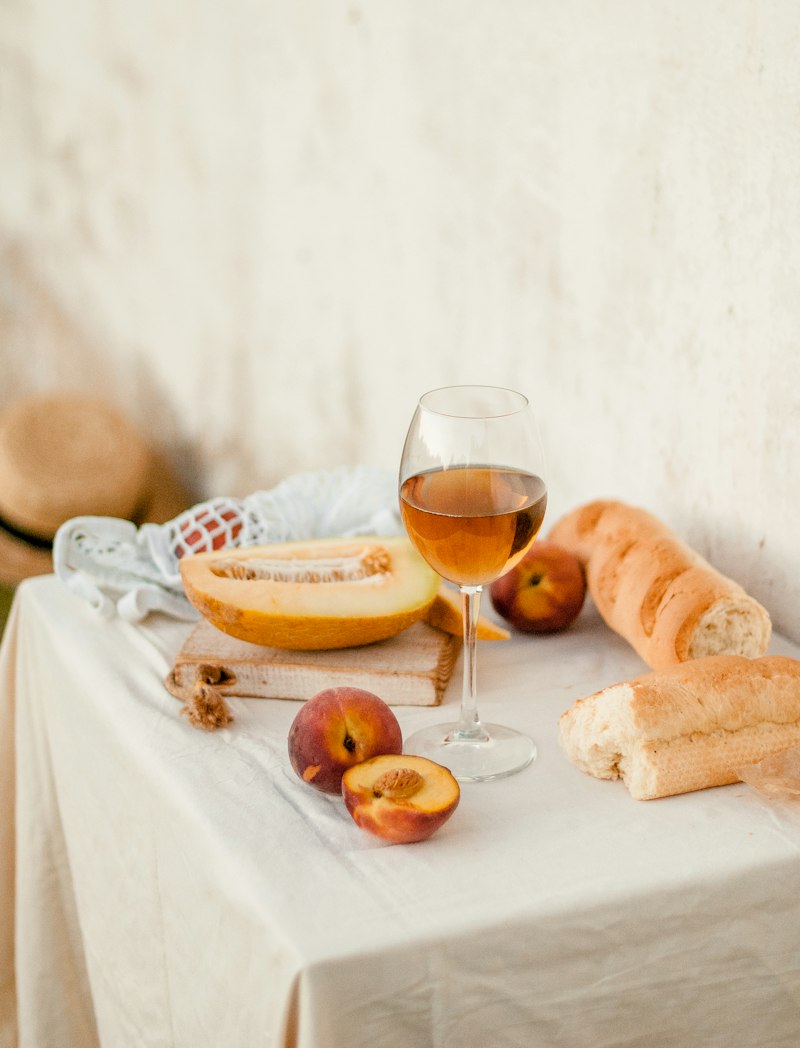
- Málaga wine. The province's famous sweet wines — Moscatel and Pedro Ximénez — plus a new wave of dry local labels; the Ronda wine route is an easy day out.
Where to stay in Estepona
For a comfortable, flexible stay, GR Estates offers a curated range of apartments and homes across the Costa del Sol — many within easy reach of Estepona's beaches and old town. Waking to the sound of the waves with panoramic Mediterranean views is the kind of thing you don't forget.
Explore our holiday rentals in Estepona
Seafront apartments, private pools and beach access — find your home away from home.
Getting there & getting around
- From the airport. Málaga–Costa del Sol airport (AGP) is ~40–50 minutes away by car (A-7 / AP-7), taxi or transfer.
- No train. The Cercanías network doesn't reach Estepona, so a car is handy — though frequent Avanza buses connect Estepona with Marbella, Fuengirola, Málaga and the airport.
- On foot & by bike. The centre and old town are very walkable and the seafront promenade is made for strolling and cycling.
- Local buses & taxis. Town buses reach the outlying urbanisations and beaches; taxis and ride apps are readily available.
Best time to visit
Estepona is a year-round destination with more than 320 days of sun. Summer (June–September) brings warm seas around 28–30°C, festivals and full-swing beach life. Spring and autumn are arguably the sweet spot — mild days in the low-to-mid 20s, the old town at its most floral and quiet enough to enjoy it. Even winter stays gentle at around 17°C by day, which is exactly why so many northern Europeans overwinter here.
Golf & sports — all year round
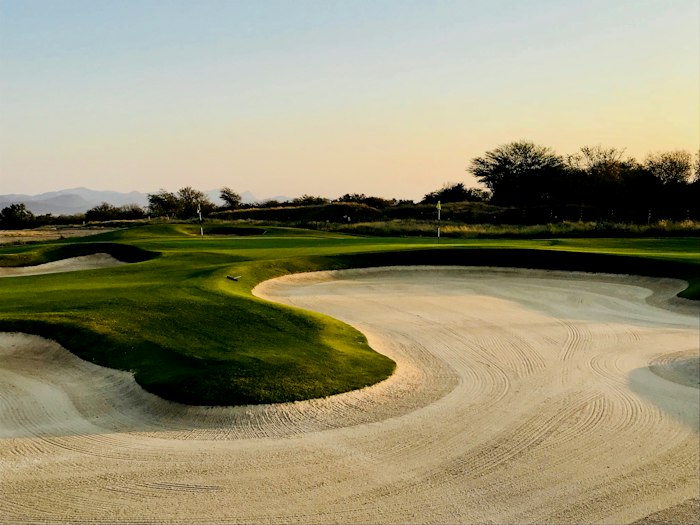
This stretch of coast isn't called the Costa del Golf for nothing, and Estepona is one of its capitals: with 320+ days of sun and mild winters, you can tee off in shirtsleeves in January. A dozen courses sit within a short drive — and the same climate keeps every other sport in season twelve months a year.
- Golf, year-round. Valle Romano, Estepona Golf, Doña Julia, Azata, Atalaya, El Paraíso and the spectacular Los Flamingos (Villa Padierna) are all a short drive away.
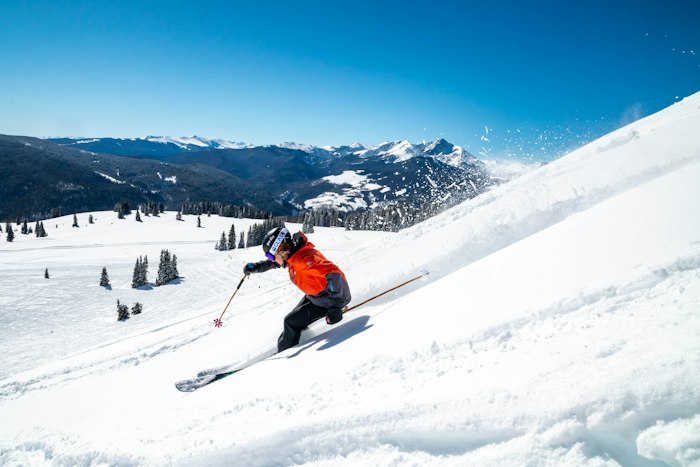
- Skiing at Sierra Nevada. Europe's most southerly ski resort is a little over 2 hours away — so in spring you really can ski in the morning and be on an Estepona beach the same afternoon.
- Water sports. Paddle surf, kayak, jet ski, kitesurf and diving along the coast, plus boat trips from the marina.
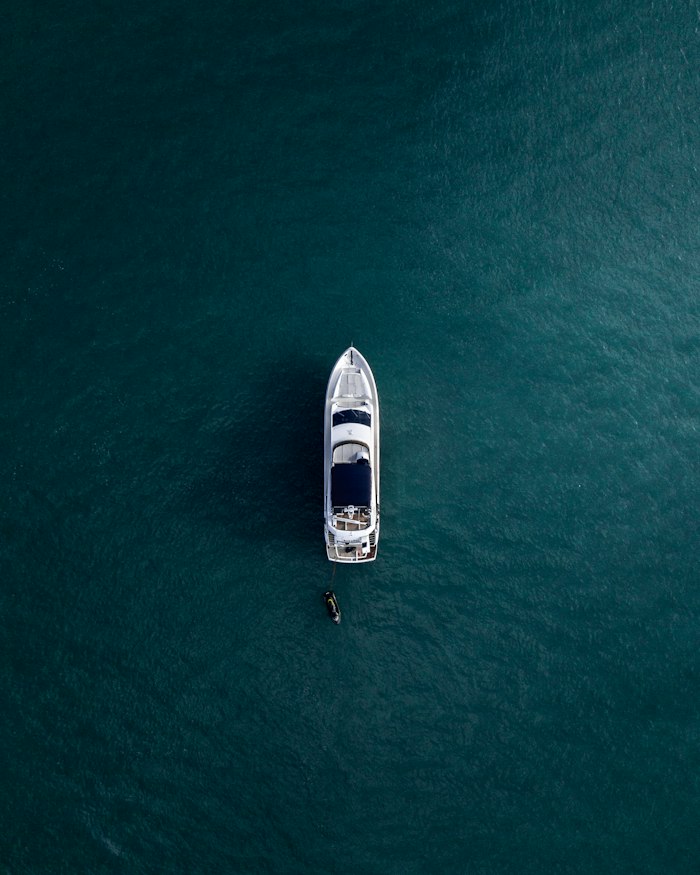
- Sailing & boating. Estepona's marina offers berths, a sailing school and catamaran and yacht charters along one of the prettiest stretches of the western coast.
- Padel & tennis. Padel is Spain's fastest-growing sport — clubs and courts across Estepona make it easy to book a game, and the Málaga region regularly hosts professional tournaments.
- Running & cycling. The long seafront promenade is made for it, and the mountain roads behind town are a favourite with road cyclists.
- Hiking & the outdoors. Sierra Bermeja rises straight behind town — its red peridotite peaks offer trails and huge views over the Strait to Africa.
- Clubs & facilities. Estepona's sports park covers football, athletics and swimming, alongside gyms, riding stables and beach volleyball nearby.
> Ski Sierra Nevada in the morning, swim off an Estepona beach the same afternoon.

Living in Estepona
Estepona has become one of the Costa del Sol's most sought-after towns to settle in — and it's easy to see why. It pairs a genuinely Spanish, flower-filled old town with a wave of modern, well-built developments; a big weekly market and year-round shops; international schools within easy reach on the New Golden Mile and in Marbella; private clinics in town and a public hospital; and a relaxed, family pace that the busier resorts have lost. The international community is large but well integrated, so services in English and other languages are the norm.
If a longer stay is on your mind, our team lives and works on this coast — we're happy to talk through neighbourhoods, schools and the practical side of moving over.
Events & festivals
- Carnaval (February). Costumes, music and street parties as winter turns.
- Feria de San Isidro (May). The town's spring country fair, with a romería, horses and traditional dress.
- Noche de San Juan (23 June). Bonfires and midnight swims on the beach to mark the start of summer.
- Feria y Fiestas Mayores (early July). Estepona's big summer fair — day and night casetas, flamenco, horses and fireworks.
Estepona FAQ
What is there to see and do in Estepona?
Estepona is known for its flower-filled old town, the Mural Route, Plaza de las Flores, the Orchid House, the marina, 21+ km of beaches and the Selwo wildlife park. It's one of the most charming, genuinely Andalusian towns on the Costa del Sol.
How do I get to Estepona from Málaga airport?
Málaga airport (AGP) is about 40–50 minutes away via the AP-7 / A-7. Estepona has no Cercanías train, so the usual options are car, taxi, transfer or the Avanza buses that link it with Marbella, Fuengirola and Málaga.
When is the best time to visit Estepona?
Estepona enjoys 320+ days of sun a year. Beach season runs May to October with summers around 28–30°C, while spring and autumn are ideal for mild weather, the old town in bloom and fewer crowds.
Is Estepona good for families?
Yes — Estepona is very family-friendly: calm, easy-access beaches like Playa del Cristo, the Selwo adventure park, a long promenade, green spaces and an international community with schools and services nearby.
Which neighbourhoods does Estepona have?
The main areas are the Old Town, the Port and centre, the New Golden Mile to the east (El Paraíso, Atalaya, Cancelada, Selwo) and coastal urbanisations such as Bahía Dorada, Costa Galera and Valle Romano — each with its own character.
Can you live in Estepona all year round?
Absolutely. Estepona pairs an authentic old town with modern new developments, good healthcare, international schools nearby and all services open year-round. It's one of the fastest-growing towns on the Costa del Sol for permanent living.
Which are the best beaches in Estepona?
Highlights include Playa de la Rada (the main beach by the promenade), Playa del Cristo (a sheltered family cove), Playa del Padrón and Playa de Guadalmansa. In total, Estepona has 21+ km of coastline with chiringuitos and services.
Can you play golf all year round in Estepona?
Yes. Estepona is one of the Costa del Sol's golf capitals, with courses such as Valle Romano, Estepona Golf, Doña Julia, Azata, Atalaya, El Paraíso and Los Flamingos close by. Thanks to 320+ days of sun and mild winters, you can play all twelve months of the year.
Why is Estepona called the Garden of the Costa del Sol?
Because of its immaculate old town filled with flower pots, its whitewashed pedestrian streets, the famous Mural Route with 60+ large-scale works and the Orchid House, one of the largest in Europe. Estepona has made flowers and street art its signature.
Photography: GR Estates & Unsplash.
More Costa del Sol guides
Written with AI assistance and reviewed by the GR Estates team before publication. AI transparency