Why Torremolinos?
Since 1996, GR Estates has been a benchmark in Costa del Sol real estate, helping locals and international buyers find their dream home. But our passion for the coast runs deeper than property — we want to be your guide to everything Torremolinos offers. This is the town where the Costa del Sol was born: in the 1950s and 60s it turned a string of fishing villages into an international resort. Today it has reinvented itself — the old Carihuela fishing quarter still grills sardines on the sand, a revamped seafront and hillside parks have smartened the town, and its famously open, inclusive atmosphere makes it one of the most welcoming places on the coast. And it sits barely eight minutes from Málaga Airport, on the train line into the city.
Whether you're here for a week of sun, a long winter escape or to put down roots, this guide walks you through the sights, the beaches, the neighbourhoods, where to eat, how to get around, when to come — and what daily life really looks like.
> Where the Costa del Sol began — and never stopped moving.
What to see & do in Torremolinos
- La Carihuela. maps The old fishing quarter and its beachfront paseo — low white houses, and the best row of seafood chiringuitos on the coast for an espeto de sardinas.
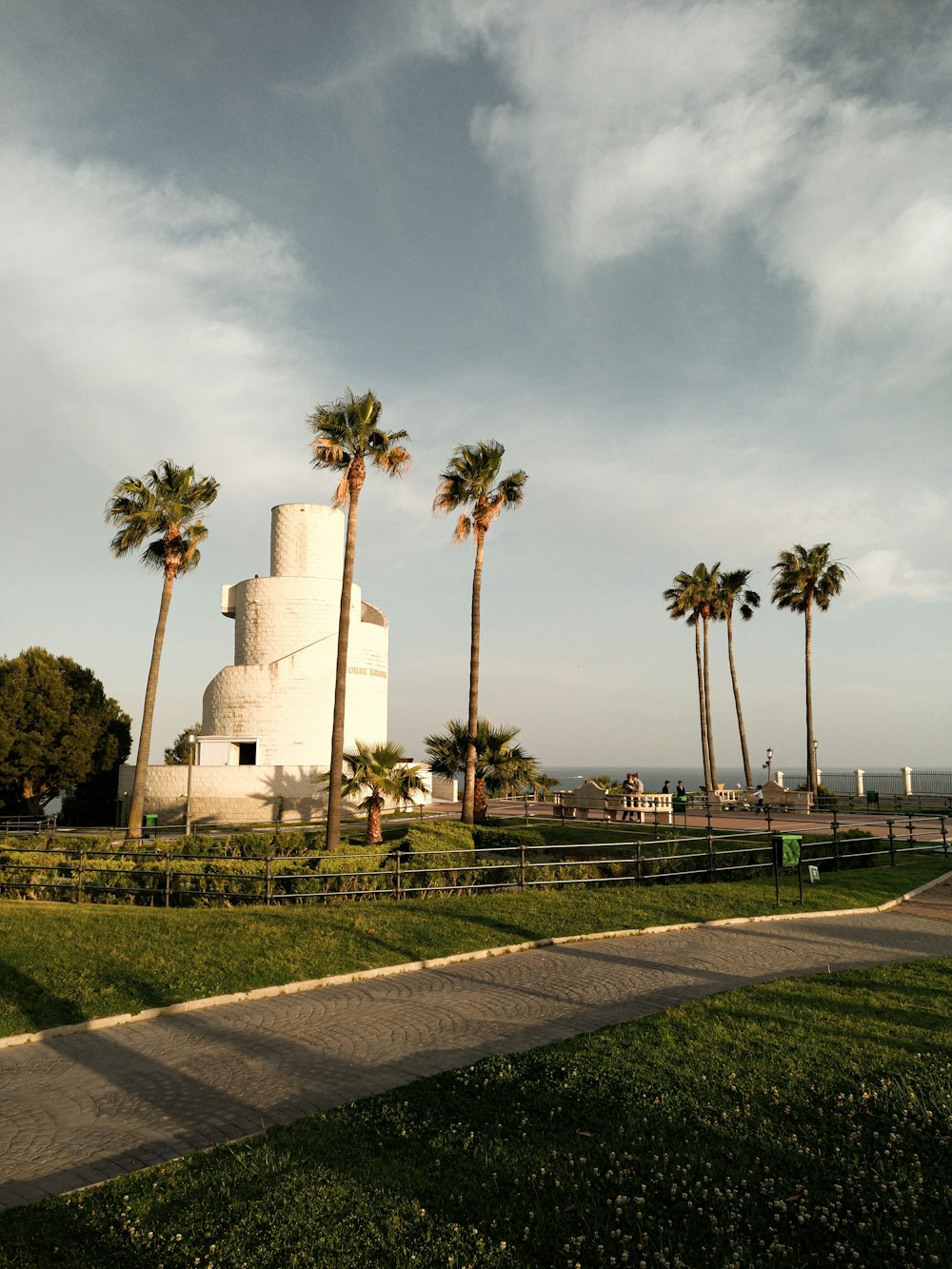
- Torre de Pimentel. maps The 14th-century watchtower (the "Torre de los Molinos") that gives the town its name, standing above the Bajondillo beach.
- Casa de los Navajas. maps A striking early-20th-century mansion in Neo-Nasrid style, with courtyards and sea views — one of the town's most photographed spots.
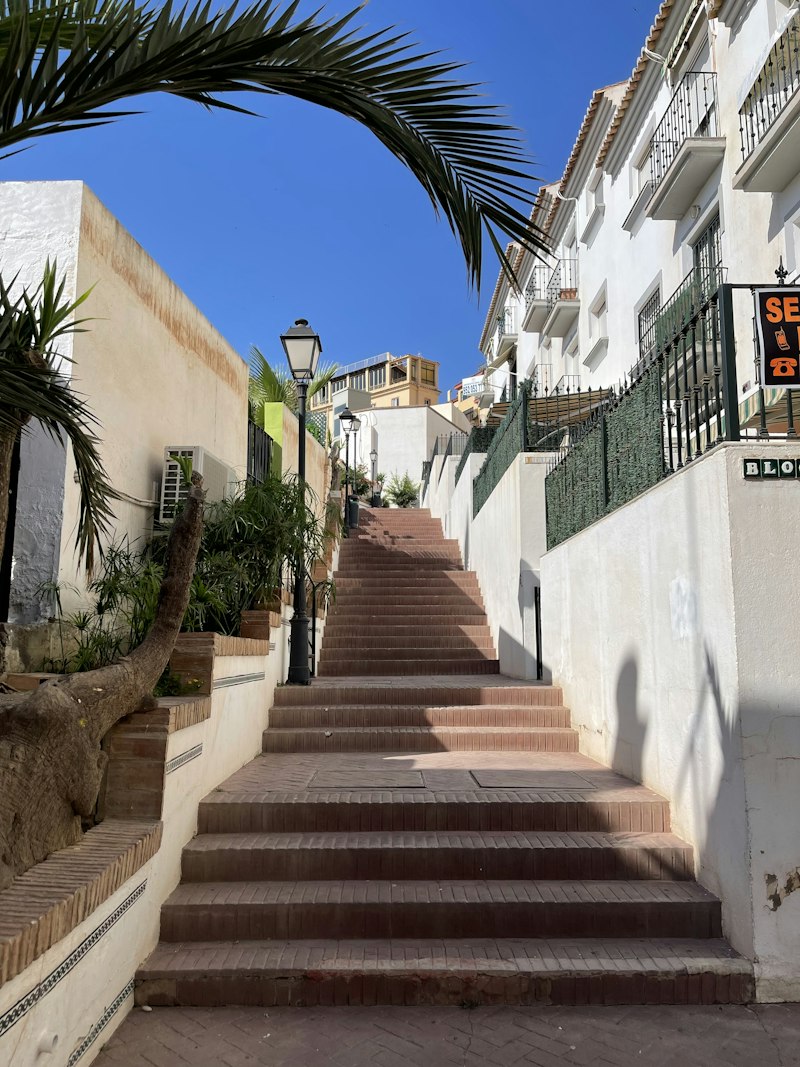
- Cuesta del Tajo & Calle San Miguel. maps The main pedestrian street of shops and terraces, and the steep, characterful steps of the Cuesta del Tajo that lead down to the beach.
- Parque de la Batería & Jardín Botánico. maps A big landscaped park with a lake and a viewpoint tower, plus the Molino de Inca botanical garden and springs — green escapes above the beach. Crocodile Park and Aqualand round out the family options.
History & cultural tourism
Torremolinos guards its own history — a medieval watchtower, an old mill district and the birthplace of Costa del Sol tourism — and sits within easy reach of some of the greatest monuments in Andalusia. It's an easy base for culture: the beach in the morning, a World Heritage Site in the afternoon.
- In town. The Torre de Pimentel, the Casa de los Navajas and the old Molino de Inca mill tell Torremolinos's own long story.
- Málaga (~15 min). The Moorish Alcazaba and Gibralfaro castle, the Renaissance cathedral, a Roman theatre and the Picasso Museum — a full day of history in the capital, three train stops away.
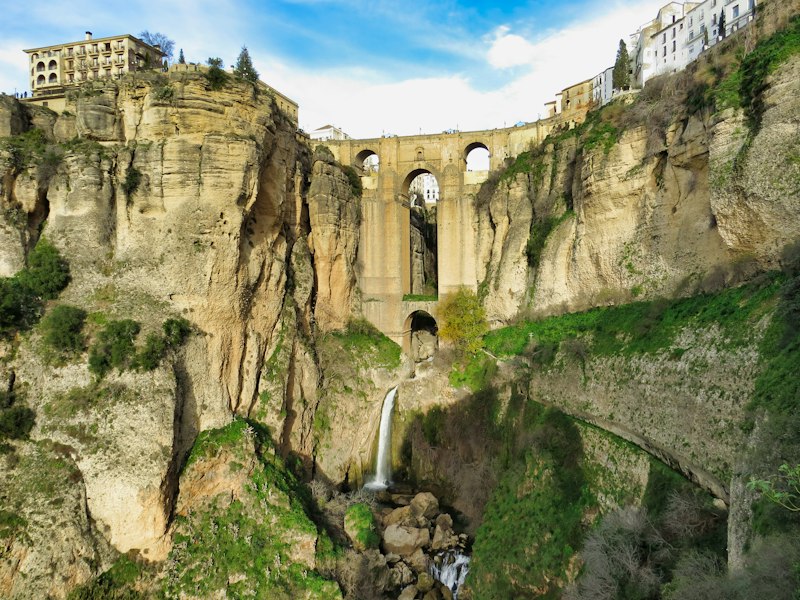
- Ronda (~1 h 30). The Puente Nuevo spanning the El Tajo gorge and one of Spain's oldest bullrings.
- Córdoba (~2 h). The Mezquita-Catedral, one of the world's great buildings — a UNESCO World Heritage Site.
- Granada (~1 h 30). The Alhambra and Generalife — the crowning jewel of Moorish Spain.


The beaches of Torremolinos
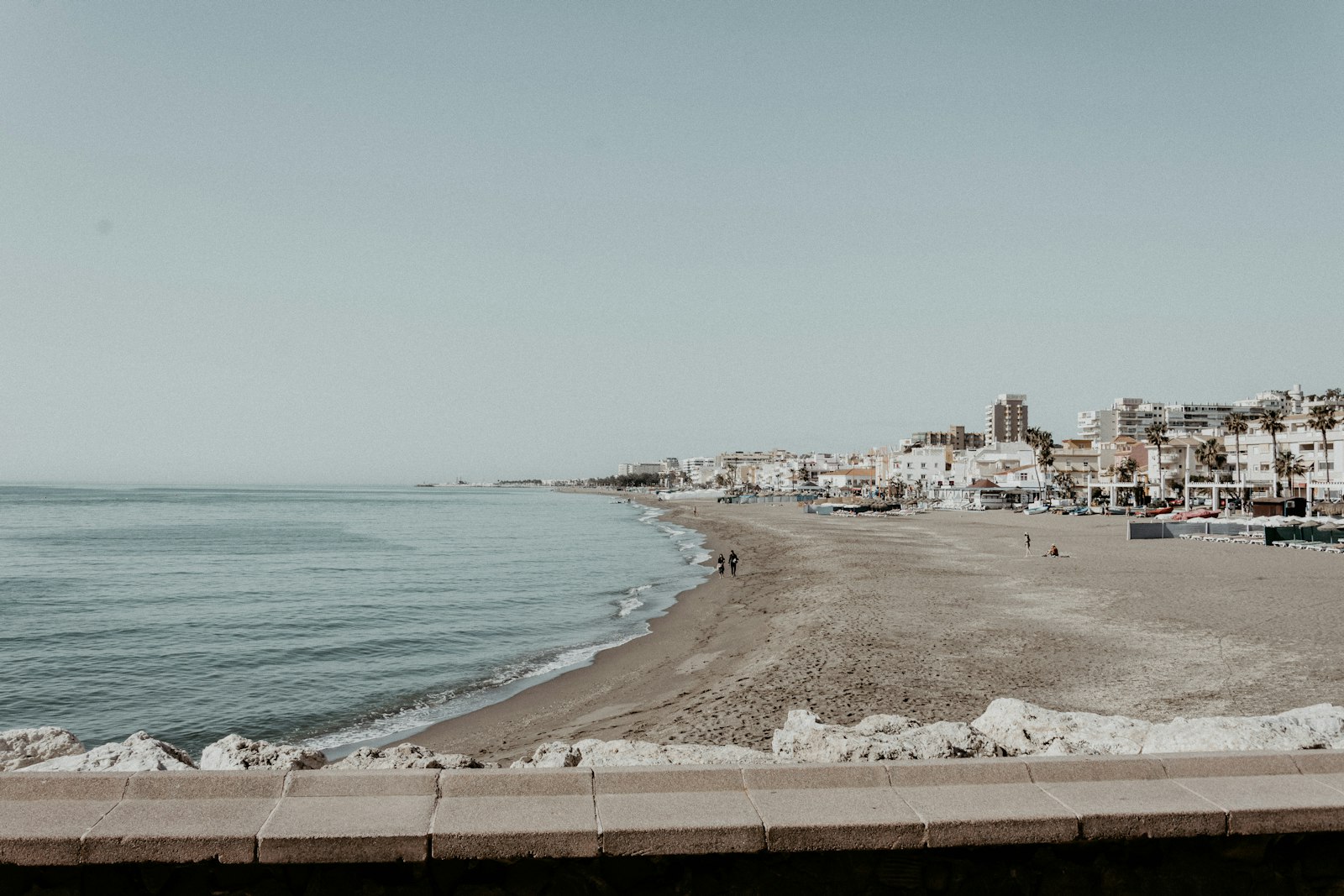
Torremolinos runs for about 7 km of wide, gently shelving sand, linked by a continuous promenade — most beaches hold quality flags and are lined with chiringuitos and beach bars.
- Playa del Bajondillo. maps The long, central town beach beneath the old town — easy access and every service.
- Playa de La Carihuela. maps Beside the fishing quarter — the town's most characterful beach, famous for its seafood chiringuitos.
- Playamar. maps A broad, open stretch to the east, backed by gardens and towers — space to spread out.
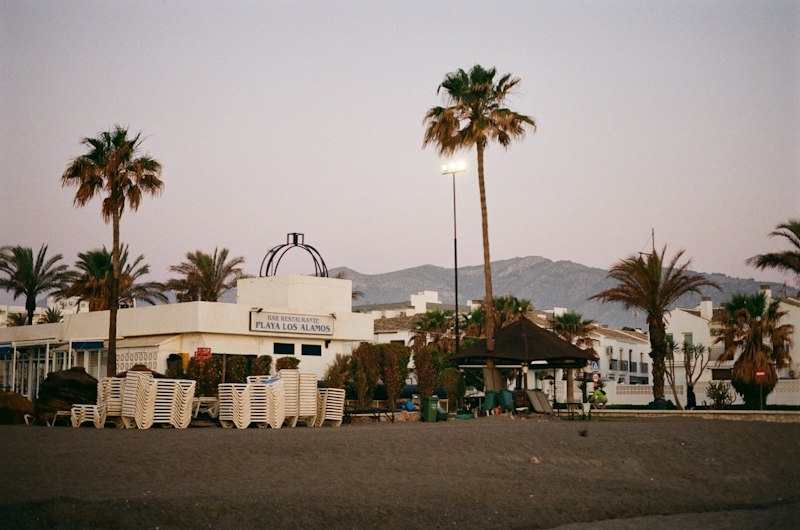
- Los Álamos. maps The liveliest beach, known for its beach clubs and summer parties near the airport end.
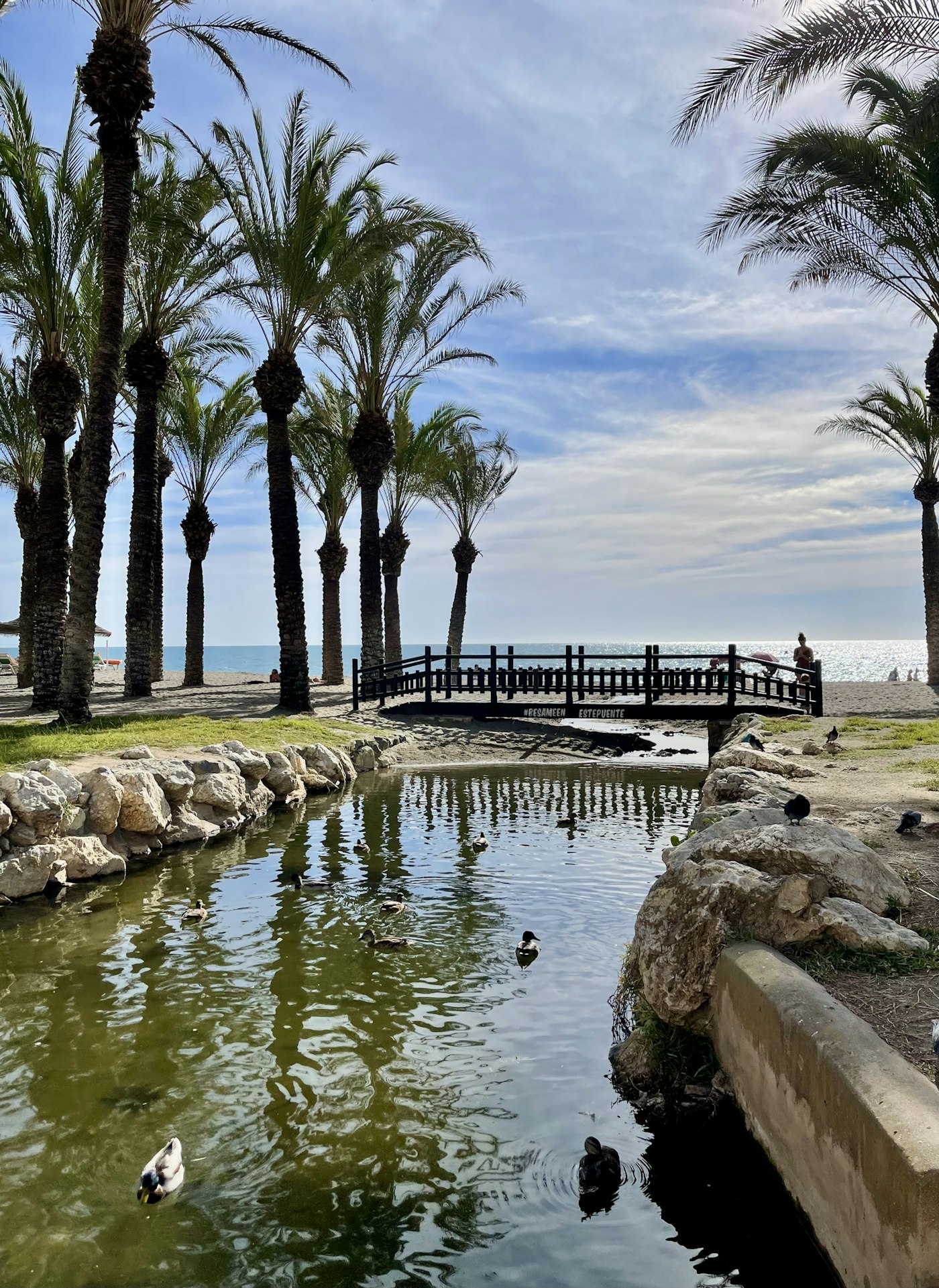
Torremolinos's seafront promenade links about 7 km of open beach.
Neighbourhoods & areas
Each part of Torremolinos has its own feel — useful whether you're choosing where to base a holiday or where to look for a home.
- Centro & Plaza Costa del Sol. The walkable, all-year heart — Calle San Miguel, shops, the train station and the steps down to the beach.
- La Carihuela. The old fishing quarter by the sea — low-rise, characterful and beloved, with the paseo and the best seafood on the doorstep.
- Montemar. A leafy, established residential area between the centre and Benalmádena, with hotels, villas and apartments near the beach.
- El Bajondillo & Playamar. Beachfront apartment living right on the promenade — front-line towers and easy beach access.
- Los Álamos. The eastern, beach-club end near the airport — busy in summer, well connected, popular for buy-to-let.
- El Pinillo & La Colina. More residential, everyday neighbourhoods inland with their own train stops, schools and better value.
Where to eat in Torremolinos
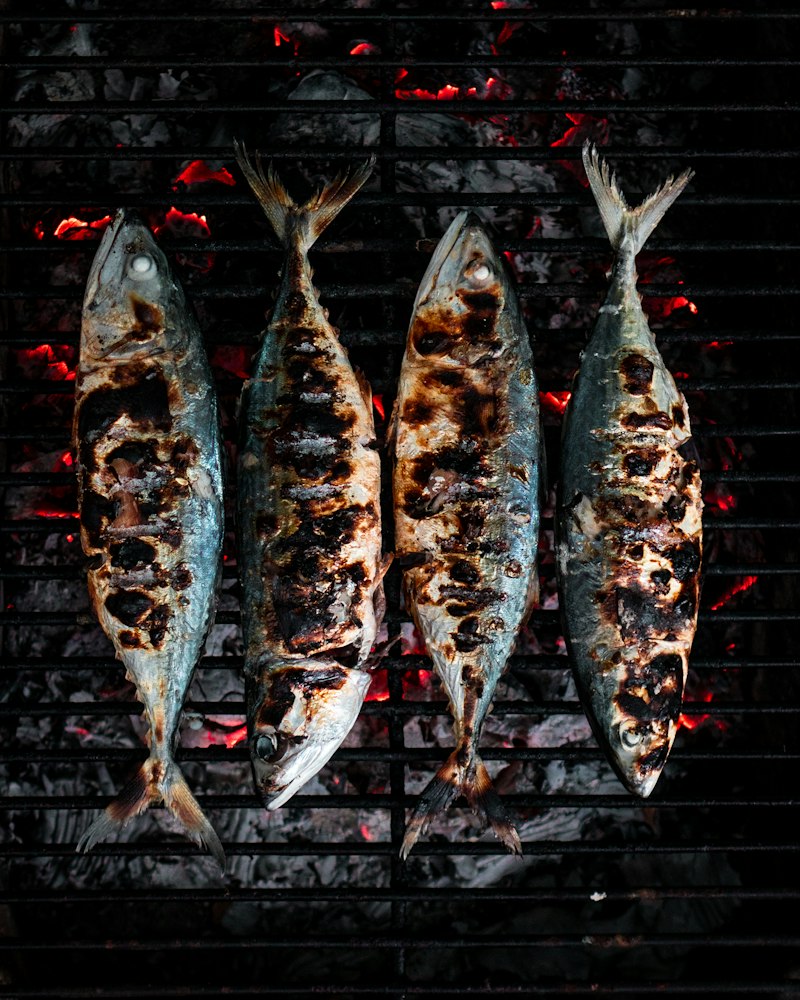
La Carihuela is one of the coast's great eating streets — a row of seafood chiringuitos on the sand — and the centre adds tapas bars and kitchens from around the world. Don't leave without an espeto de sardinas grilled over driftwood on the beach.
- Chiringuitos de La Carihuela. The classic run of beach restaurants — espetos, fried fish and seafood straight off the grill by the water.
- Casa Juan / Los Mellizos. A Carihuela institution for pristine local seafood.
- Bodega Quitapenas. Traditional Málaga wines from the barrel and simple, honest tapas.
- Calle San Miguel terraces. People-watching, coffee and tapas along the main pedestrian street.
- La Nogalera. The buzzing central plaza of bars and terraces — the heart of the town's nightlife.
Cuisine & wine
Málaga's kitchen is the Mediterranean at its purest — sea, garden and olive oil. Eating out here is half the holiday, so here's what to order:
- Espeto de sardinas. Sardines skewered on a cane and grilled over driftwood embers on the beach — the signature dish of the coast, and a Carihuela speciality.
- Pescaíto frito & fritura malagueña. A crisp platter of lightly fried fish and seafood — the way the coast has eaten for generations.
- Ajoblanco & gazpacho. Cool almond-and-garlic and tomato soups — summer in a bowl.
- Boquerones & tapas. Fresh anchovies and the whole ritual of tapas — order, share, move on.
- Málaga wine. The province's famous sweet wines — Moscatel and Pedro Ximénez — poured from the barrel in the old bodegas.

Where to stay in Torremolinos
For a comfortable, flexible stay, GR Estates offers a curated range of apartments and homes across the Costa del Sol — many within easy reach of Torremolinos's beaches and paseo. Waking to the sound of the waves with panoramic Mediterranean views is the kind of thing you don't forget.
Explore our holiday rentals in Torremolinos
Seafront apartments, private pools and beach access — find your home away from home.
Getting there & getting around
- From the airport. Málaga–Costa del Sol airport (AGP) is just ~8–10 minutes away — the closest resort town to the airport on the whole coast.
- By train. The Cercanías C1 line links the airport, Torremolinos (with stops at La Colina, El Pinillo and Montemar) and Málaga city directly — no car needed.
- On foot & by bike. The centre and the Carihuela paseo are very walkable, with a continuous seafront promenade to Benalmádena.
- Buses & taxis. Local and intercity buses serve Benalmádena, Fuengirola and Málaga; taxis and ride apps are readily available.
Best time to visit
Torremolinos is a year-round destination with more than 320 days of sun. Summer (June–September) brings warm seas around 30°C, festivals and full-swing beach life. Spring and autumn are arguably the sweet spot — mild days in the low-to-mid 20s, warm enough for the beach and quiet enough to enjoy it. Even winter stays gentle at around 17°C by day, which is why so many northern Europeans overwinter here.
Golf & sports — all year round
With 320+ days of sun and mild winters, this is the Costa del Golf, and every other sport stays in season all year too. Torremolinos sits at the eastern gateway, with courses, water sports and the mountains all close.
- Golf, year-round. Parador Málaga Golf and Guadalmar are minutes away, with Torrequebrada and the Mijas courses a short drive along the coast.
- Skiing at Sierra Nevada. Europe's most southerly ski resort is about 2 hours away — in spring you can ski in the morning and be on a Torremolinos beach the same afternoon.
- Water sports. Paddle surf, kayak, jet ski and diving along the coast, plus Aqualand for the family.
- Sailing & boating. Benalmádena's Puerto Marina, one of the finest in the world, is right next door.
- Padel & tennis. Padel is Spain's fastest-growing sport — clubs and courts across Torremolinos make it easy to book a game.
- Running & cycling. The seafront promenade and the Senda Litoral coastal path are made for it.
> Ski Sierra Nevada in the morning, swim off a Torremolinos beach the same afternoon.




Living in Torremolinos
Few towns are as easy to settle into. Torremolinos is exceptionally well connected — the airport and the C1 train put Málaga city, its hospitals and its culture minutes away — and it has one of the most diverse, international and openly welcoming communities on the coast, long a byword for its inclusive, LGBTQ-friendly atmosphere. You'll find services in many languages, a big weekly market, year-round shops and nightlife, green parks above the beach, and that rare thing: a resort town that lives all year, not just in August.
If a longer stay is on your mind, our team lives and works on this coast — and our Torremolinos property guide covers the market, neighbourhoods and buying costs in depth.
Events & festivals
- Carnaval (February). Costumes, music and street parties as winter turns.
- Torremolinos Pride (June). One of Spain's biggest Pride celebrations — a huge, colourful event that fills the town.
- Feria de San Miguel (September). The town's main fair — casetas, flamenco, rides and fireworks.
- Virgen del Carmen (16 July). The Carihuela's seafaring festival, when the Virgin is carried into the sea.
Torremolinos FAQ
What is there to see and do in Torremolinos?
Torremolinos offers the La Carihuela fishing quarter, the Torre de Pimentel, the Casa de los Navajas, the Cuesta del Tajo and Calle San Miguel, the Batería park, beaches like Bajondillo and La Carihuela, and parks such as Crocodile Park and Aqualand. It's a lively, family-friendly and inclusive destination all year.
How do I get to Torremolinos from Málaga airport?
Málaga airport (AGP) is only about 8–10 minutes away. You can take the Cercanías C1 train (stops at Torremolinos, La Colina, El Pinillo and Montemar), a taxi, or drive via the A-7. It's one of the best-connected towns on the coast.
When is the best time to visit Torremolinos?
Torremolinos enjoys 320+ days of sun a year. Beach season runs May to October with summers around 30°C, while spring and autumn are ideal for milder weather and fewer crowds, and even winter stays gentle.
Is Torremolinos good for families?
Yes — easy-access beaches, a long promenade, parks like Crocodile Park and Aqualand, the Batería park and botanical garden, plus a large international community with services all year make it very family-friendly.
Which neighbourhoods does Torremolinos have?
The main areas are the Centre and Plaza Costa del Sol, La Carihuela (the old fishing quarter), Montemar, El Bajondillo, Playamar, Los Álamos, and the more residential El Pinillo and La Colina.
Can you live in Torremolinos all year round?
Absolutely. Torremolinos has a large international community, excellent transport (airport and Cercanías C1), healthcare, year-round shops and leisure, and an open, inclusive atmosphere — making it ideal for permanent living.
Which are the best beaches in Torremolinos?
Highlights include Playa del Bajondillo (central), Playa de La Carihuela (by the fishing quarter, famous for espetos), Playamar and Los Álamos with its beach clubs — all with chiringuitos and services.
Why is Torremolinos famous?
Torremolinos was the birthplace of Costa del Sol tourism in the 1950s and 60s and is today a reinvented, lively destination famous for its open, inclusive atmosphere, its La Carihuela fishing quarter and its closeness to Málaga Airport.
Photography: GR Estates & Unsplash.
More Costa del Sol guides
Written with AI assistance and reviewed by the GR Estates team before publication. AI transparency